





殘疾的定義
Definition of Disability
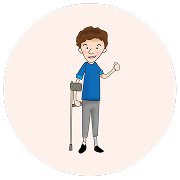
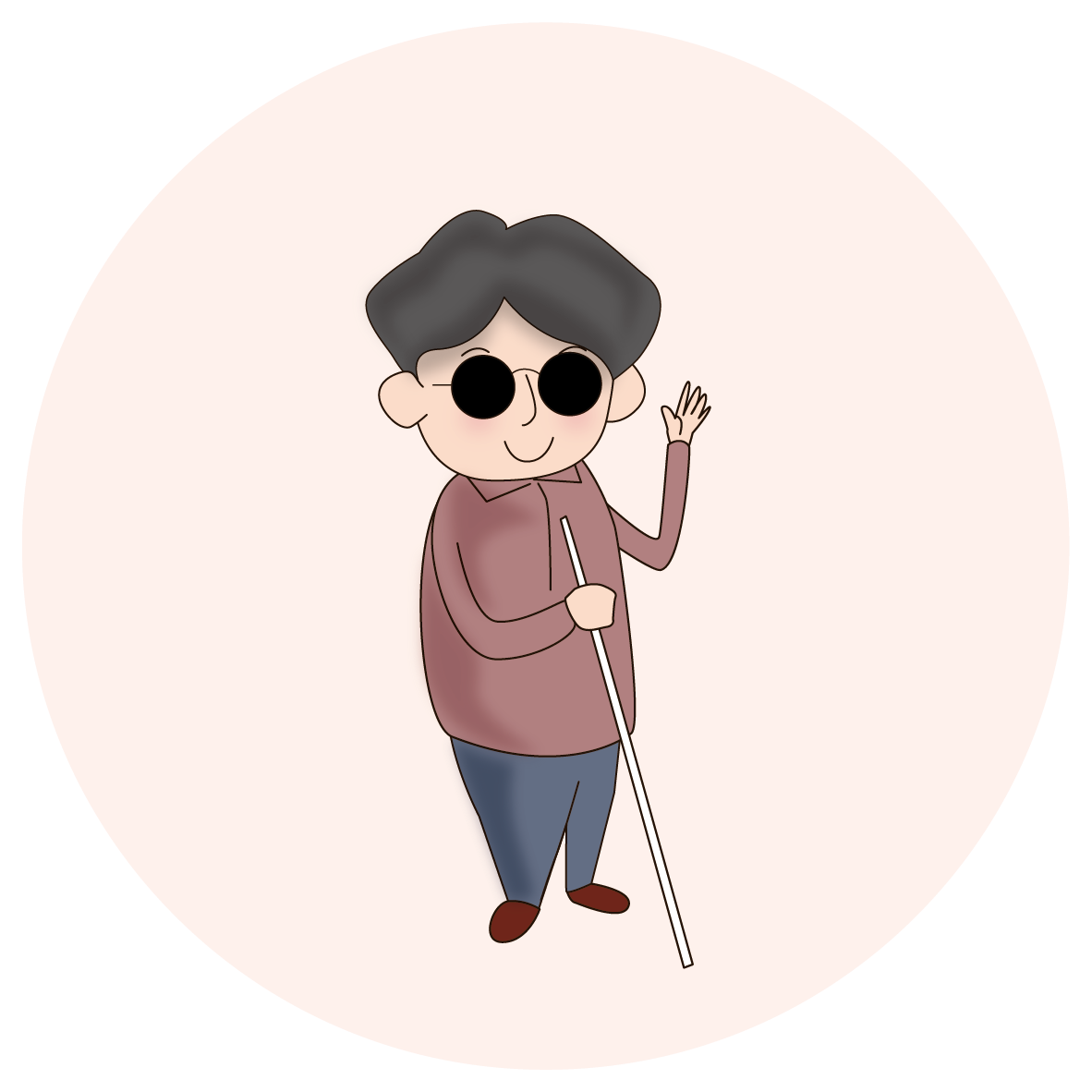
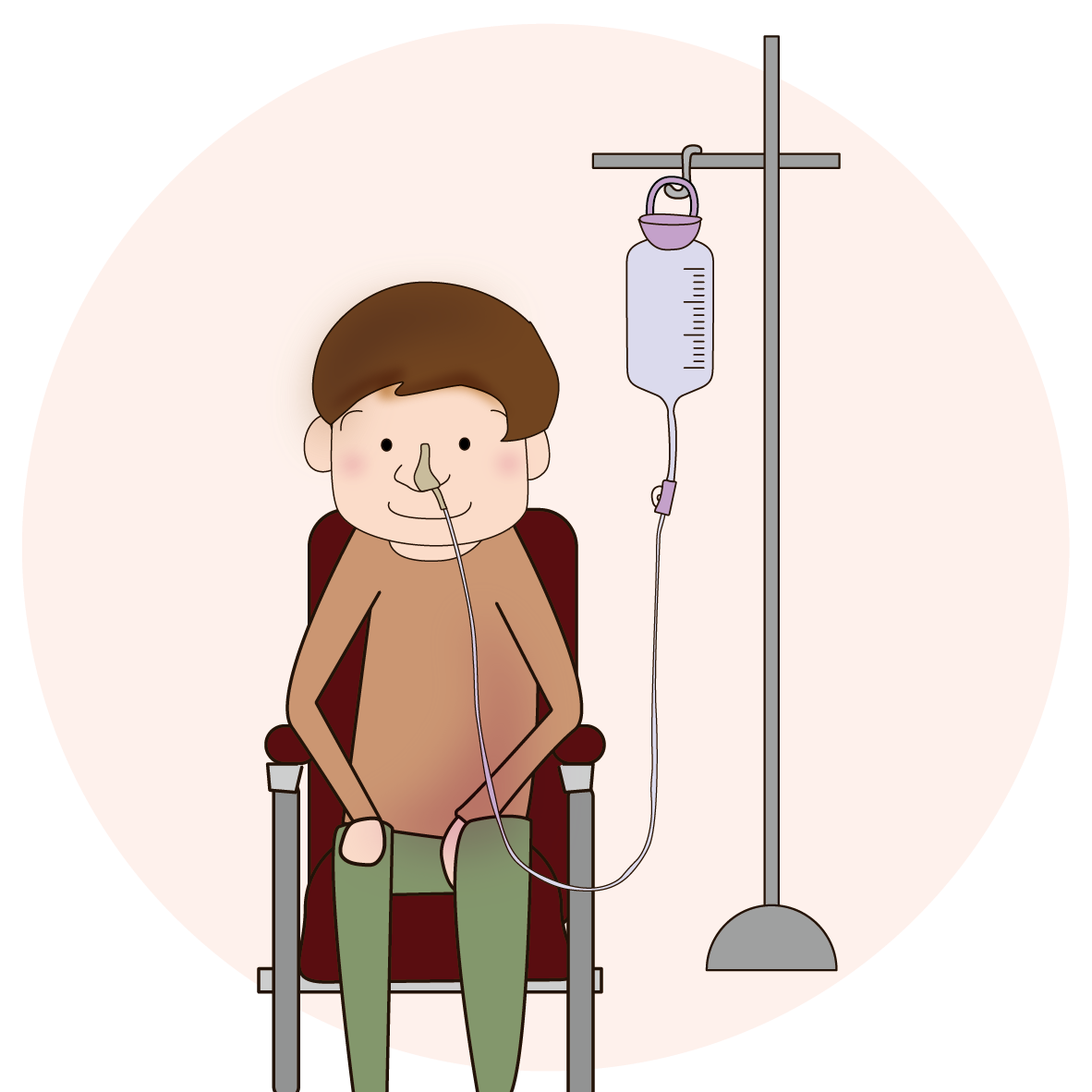
“Disability” may refer to a person who:
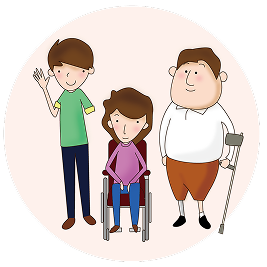
Has lost any part of the body
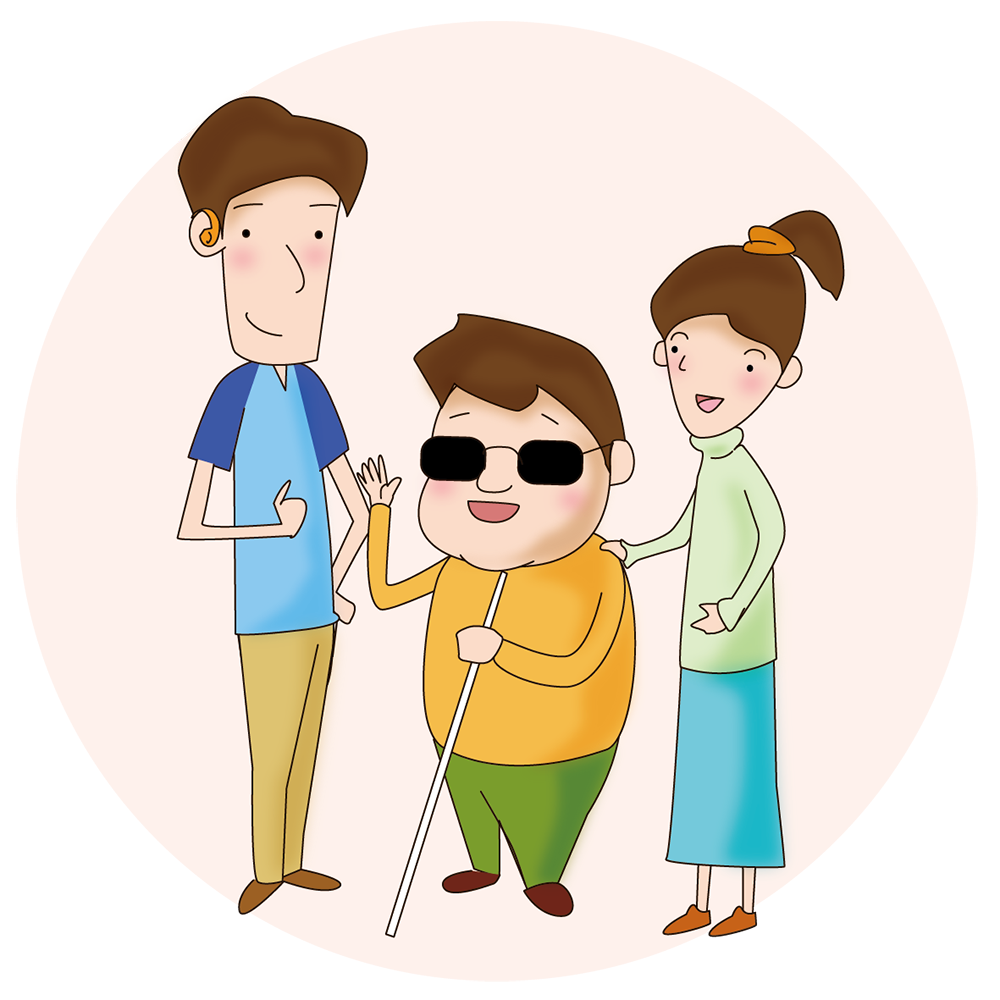
Has a malfunction, disorder, or impairment of bodily or mental functions
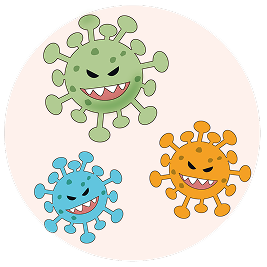
Has organisms in the body that may cause disease
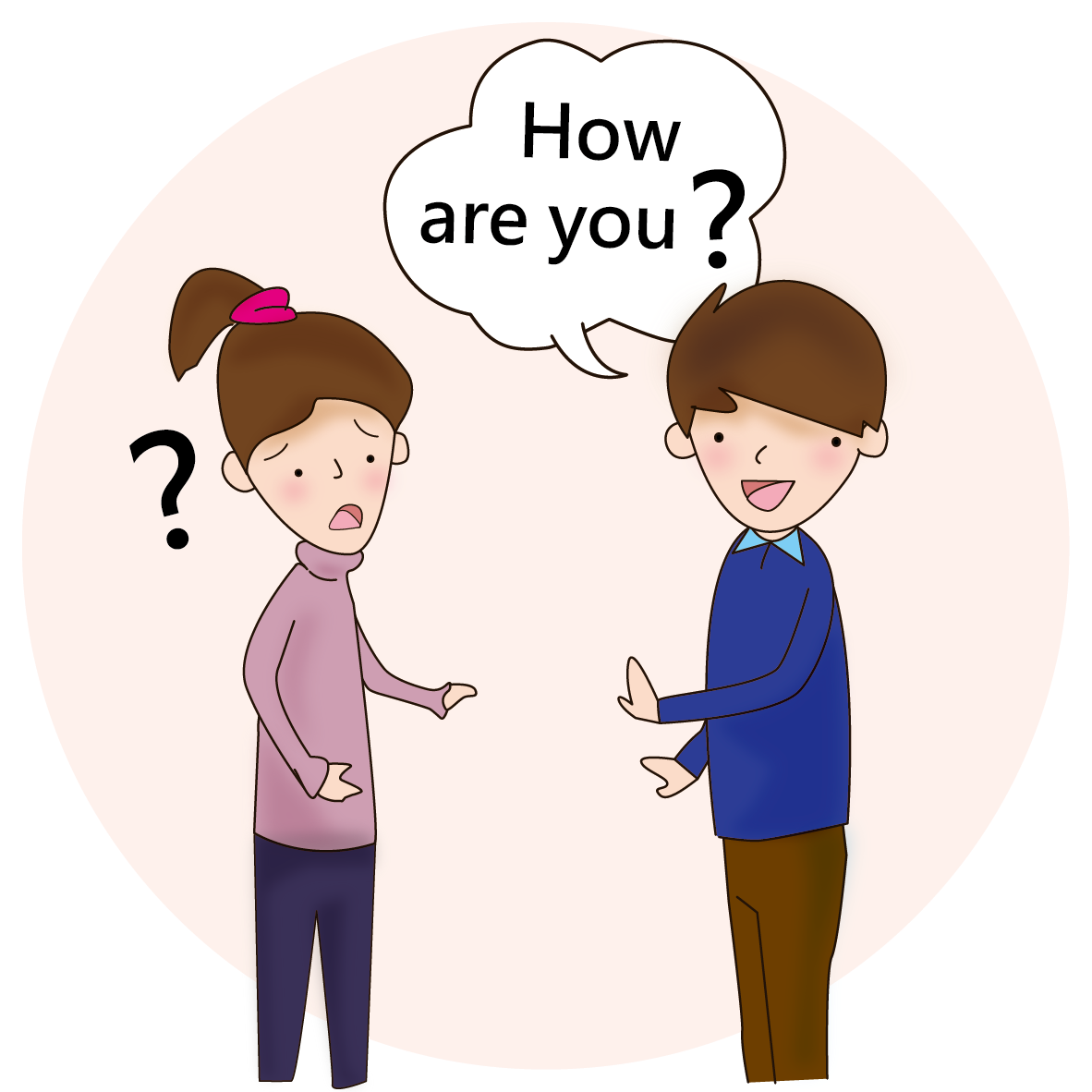
“Disability” may also refer to a person whose physical or mental condition:

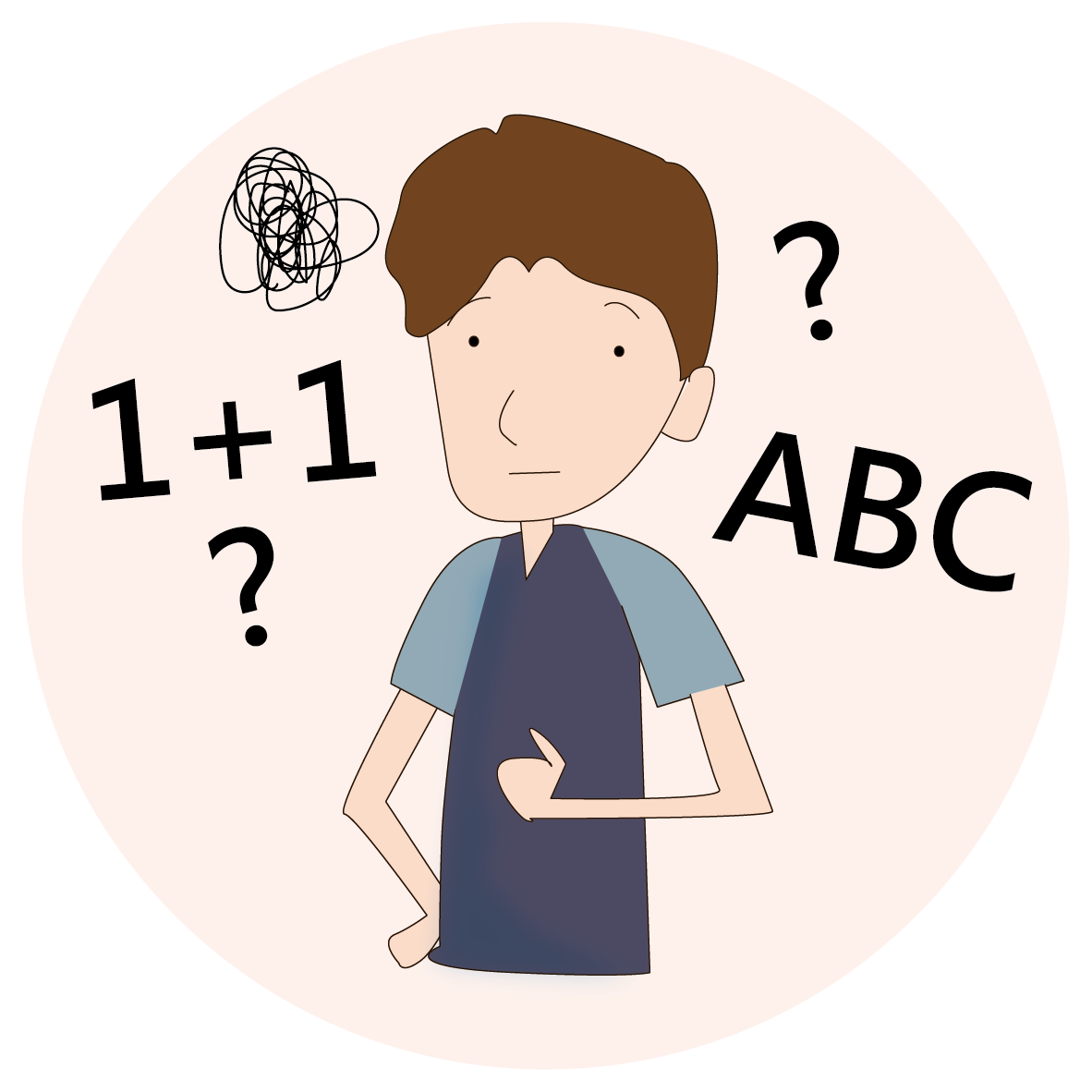
Causes learning difficulties
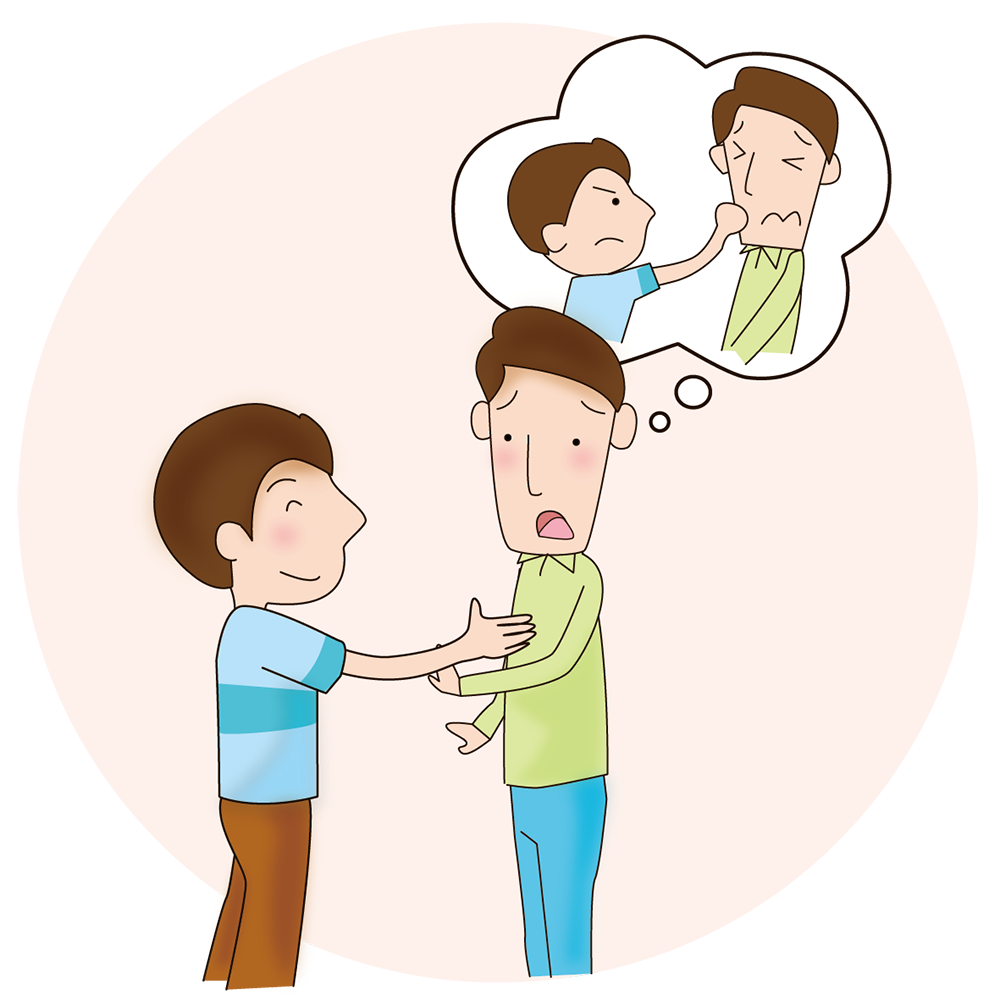
Affects understanding of reality, emotions, or judgement
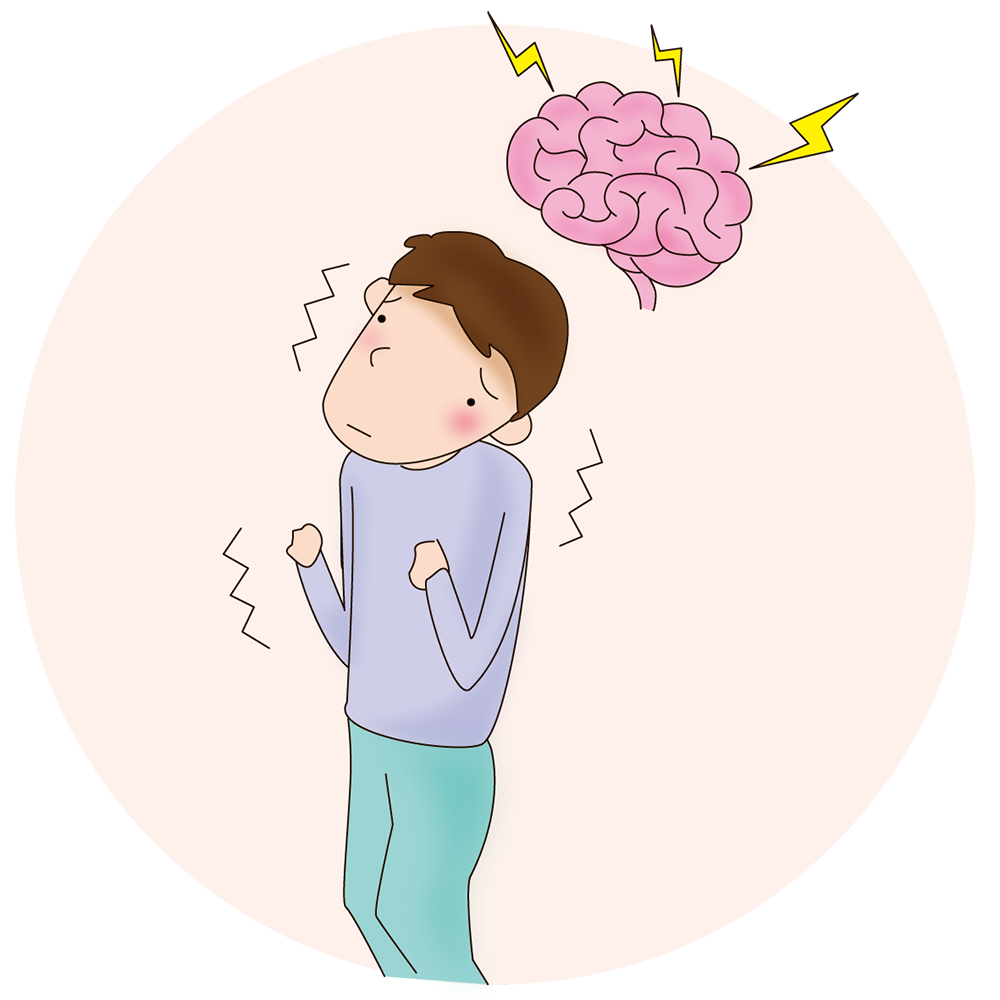
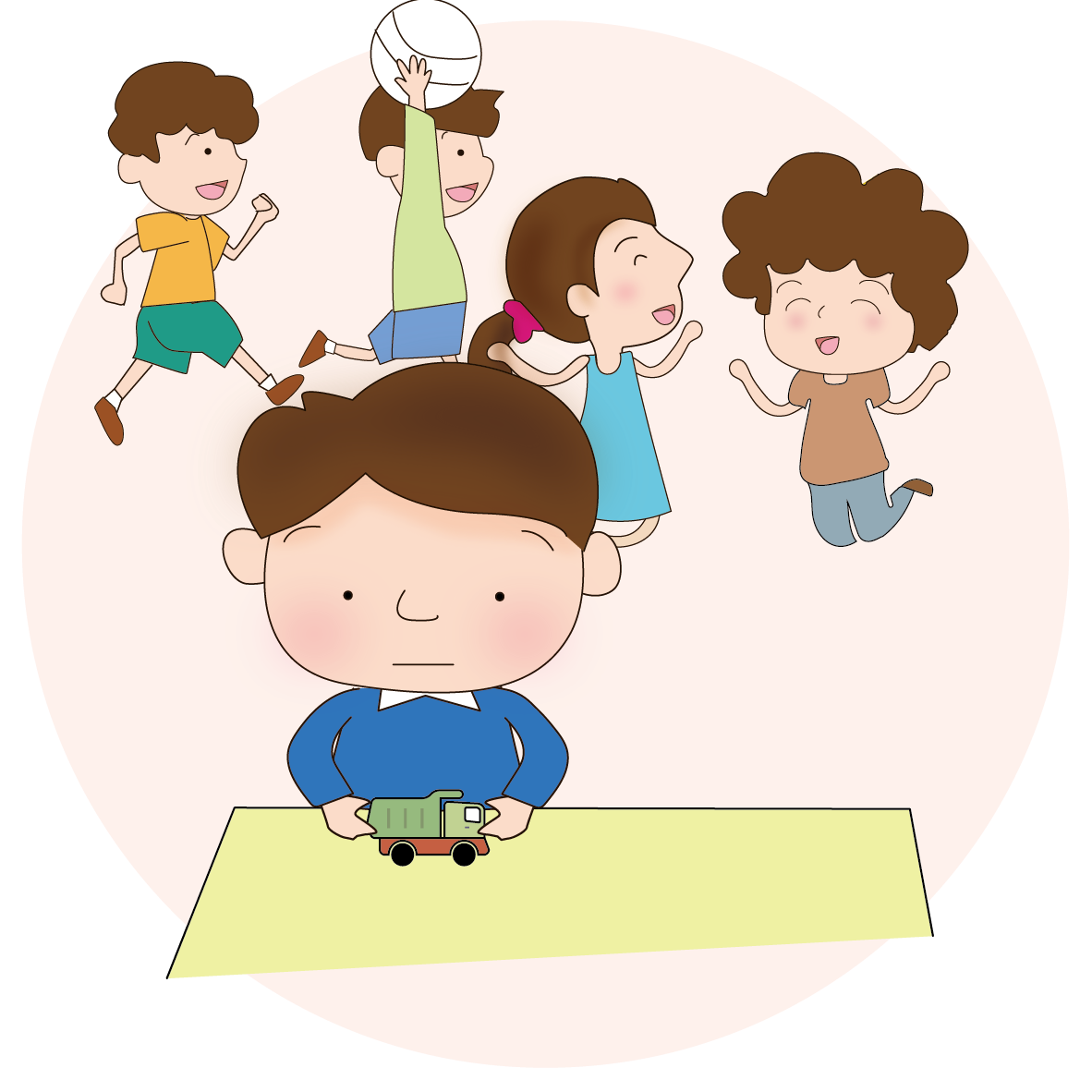
Results in behavioural disturbances
“Disability” does not only refer to an existing disability, but also includes disabilities that previously existed, may exist in the future, or are perceived to exist.
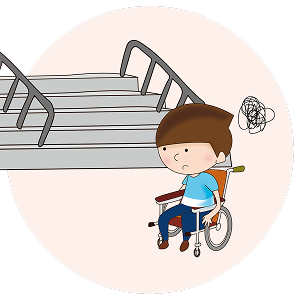
A “person with a disability” refers to an individual who unfortunately has physical or mental impairments that affect their daily life.
Learn More
-
Global Population of Persons with Disabilities
According to the World Health Organization’s 2022 estimates, around 16% of the world’s population (approximately 1.3 billion people) live with significant disabilities. With the rise of non-communicable diseases and increasing life expectancy, this number is expected to continue growing.
-
Population of Persons with Disabilities in Hong Kong
According to the Census and Statistics Department’s 2020 survey report, there were approximately 534,200 persons with disabilities in Hong Kong, accounting for 7.1% of the total population. This figure does not include persons with intellectual disabilities. It is estimated that the number of persons with intellectual disabilities in Hong Kong ranges from 77,000 to 90,000.