



殘疾的定義

Definition of Disability

“Disability” may refer to a person who:
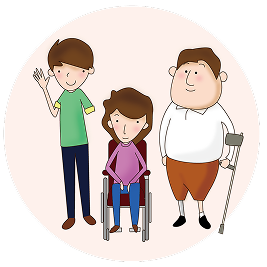
Has lost any part of the body
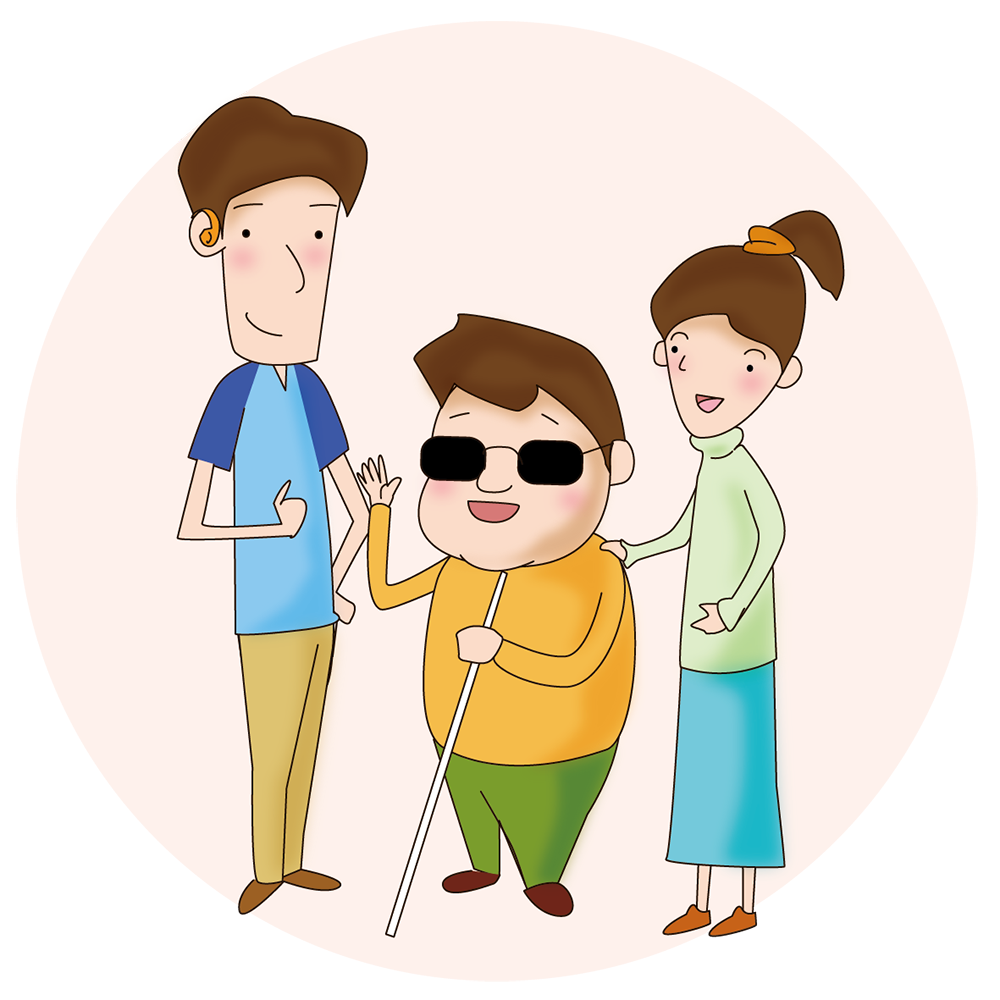
Has lost any part of the body

Has a malfunction, disorder, or impairment of bodily or mental functions

Has organisms in the body that may cause disease

Has organisms in the body that may cause disease

“Disability” may also refer to a person whose physical or mental condition:

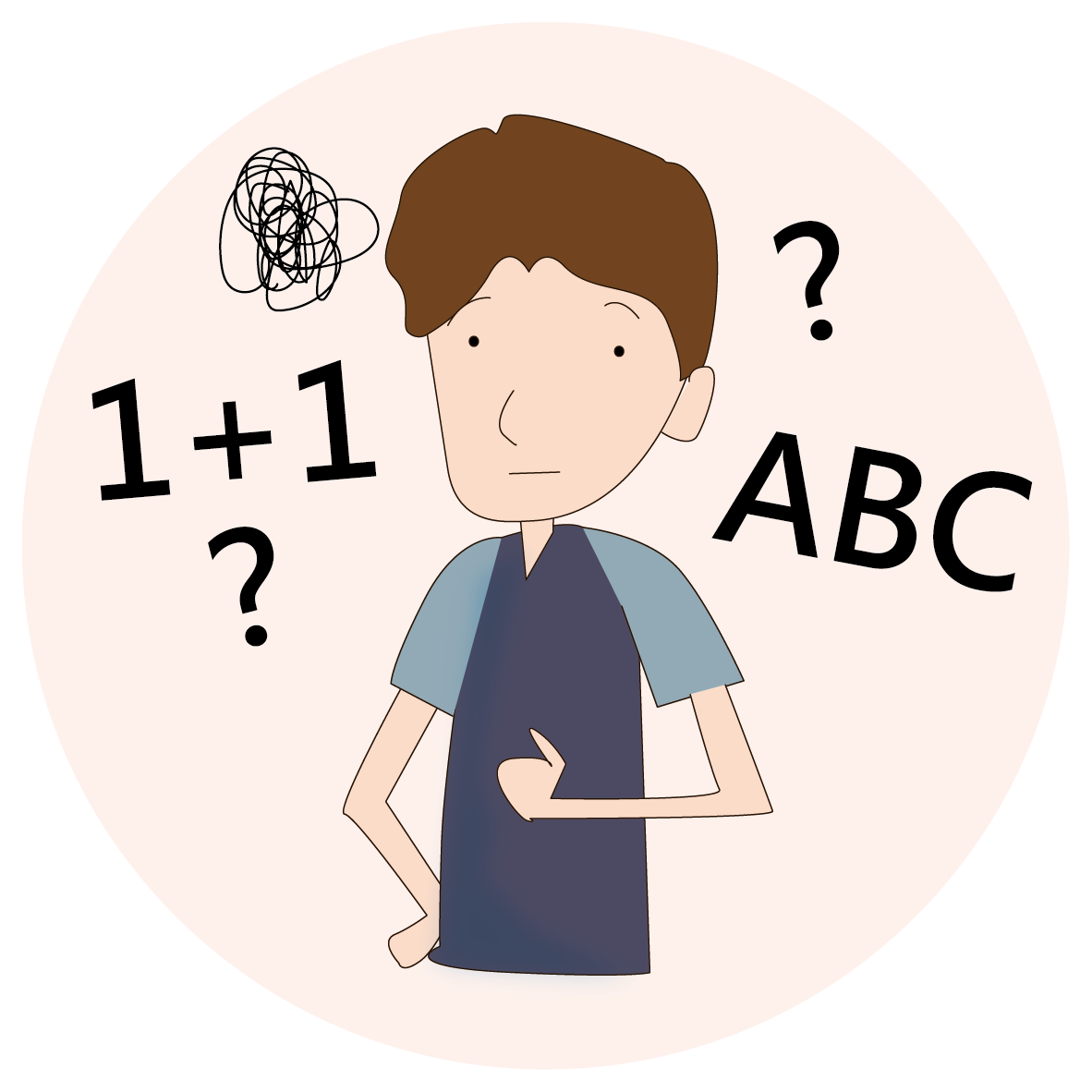
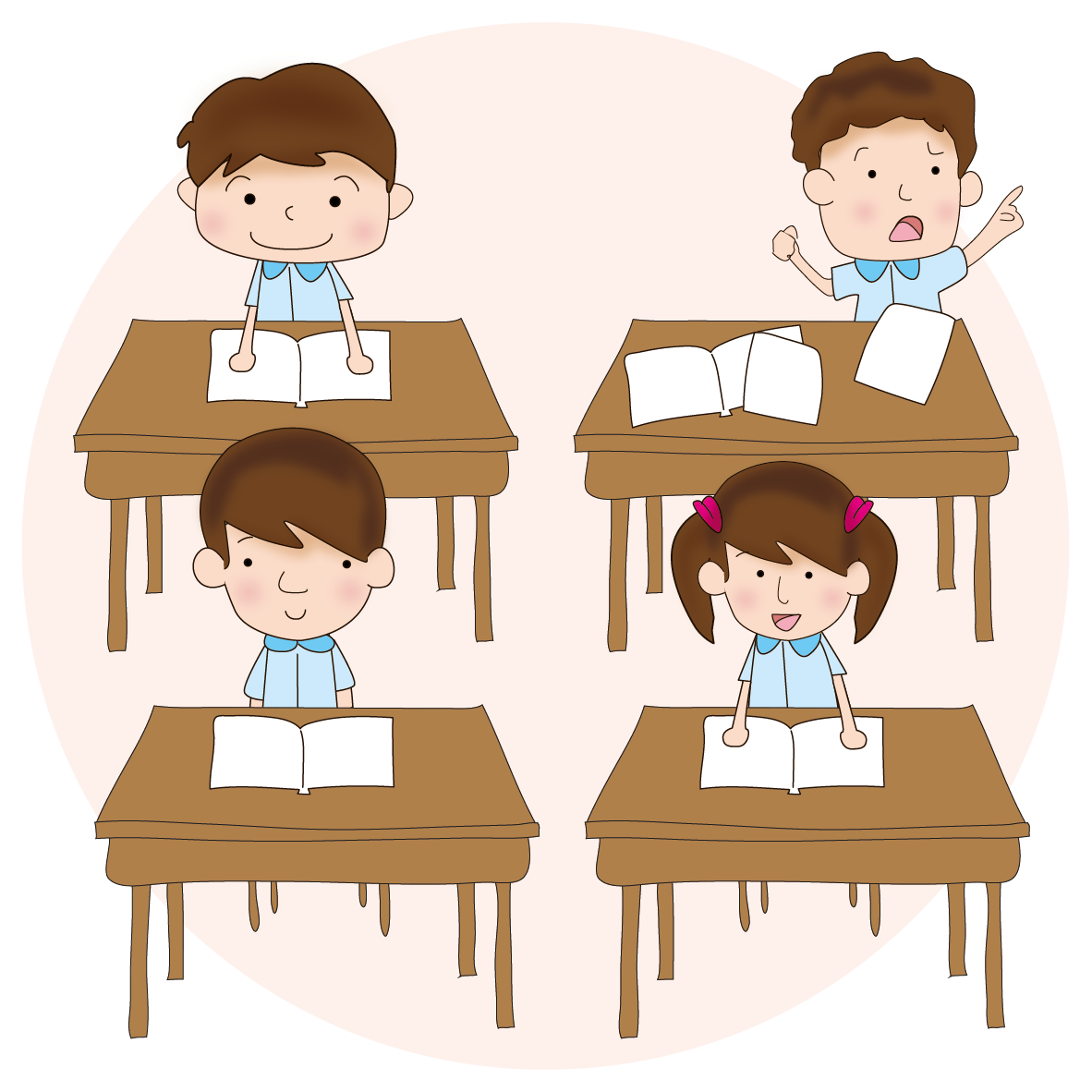
Causes learning difficulties
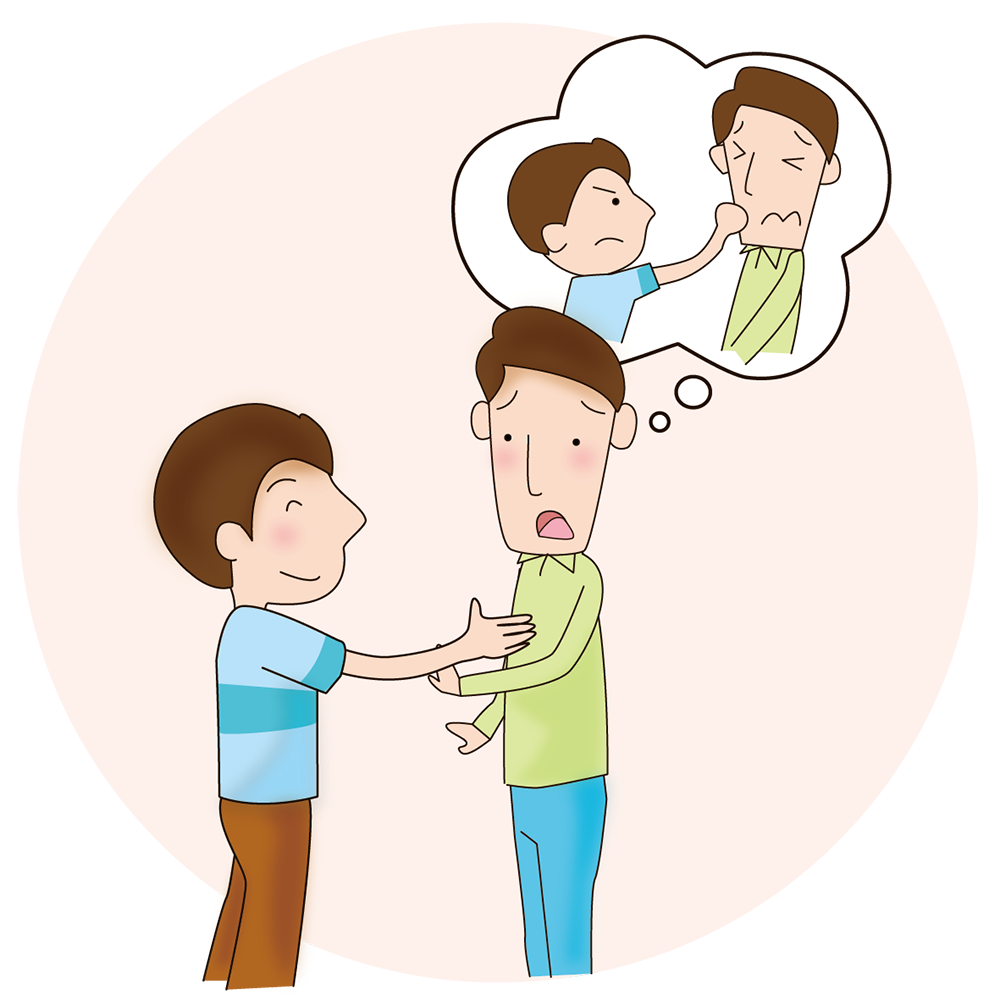
Affects understanding of reality, emotions, or judgement
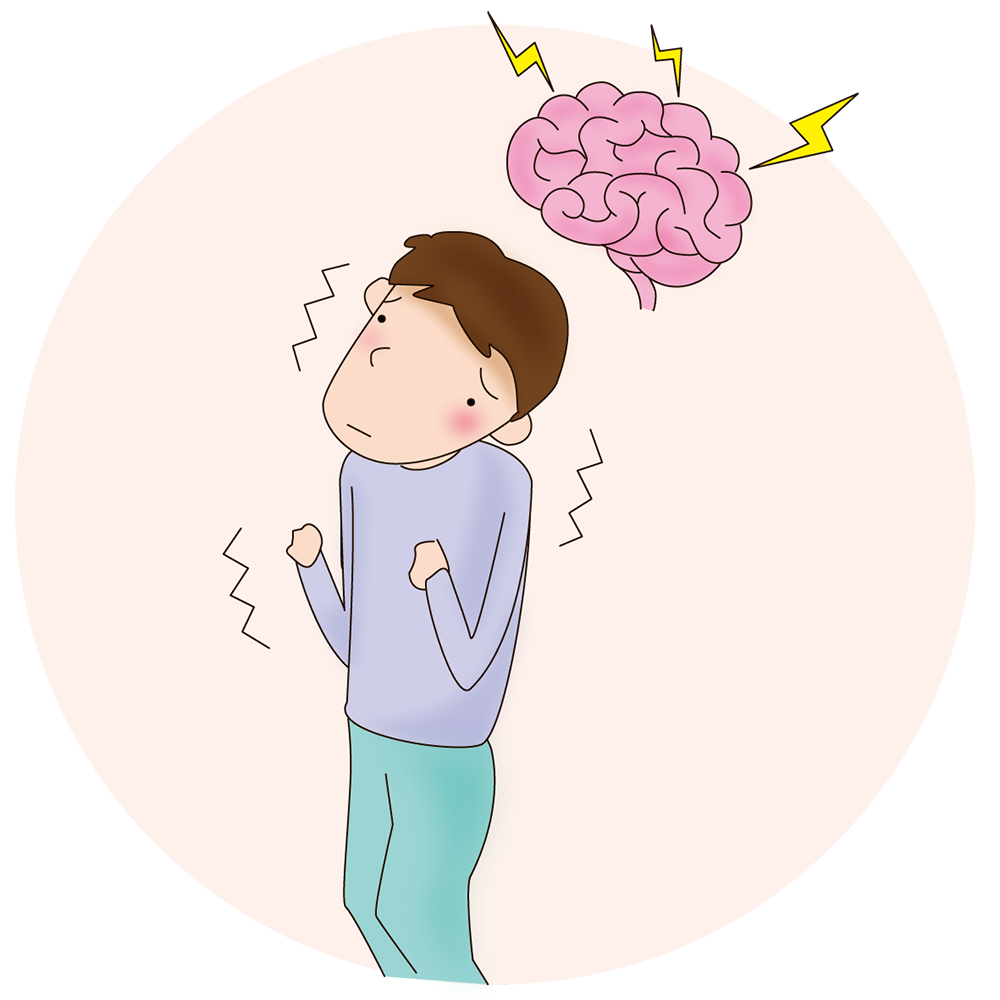
Results in behavioural disturbances

“Disability” does not only refer to an existing disability, but also includes disabilities that previously existed, may exist in the future, or are perceived to exist.

A “person with a disability” refers to an individual who unfortunately has physical or mental impairments that affect their daily life.

Learn More

  • Global Population of Persons with Disabilities


    According to the World Health Organization’s 2022 estimates, around 16% of the world’s population (approximately 1.3 billion people) live with significant disabilities. With the rise of non-communicable diseases and increasing life expectancy, this number is expected to continue growing.

World Health Organization – Disability and Health

  • Population of Persons with Disabilities in Hong Kong

    According to the Census and Statistics Department’s 2020 survey report, there were approximately 534,200 persons with disabilities in Hong Kong, accounting for 7.1% of the total population. This figure does not include persons with intellectual disabilities. It is estimated that the number of persons with intellectual disabilities in Hong Kong ranges from 77,000 to 90,000.

Census and Statistics Department – Special Topics Report No. 63: Persons with Disabilities and Chronic Diseases


香港的殘疾人士分類

Categories of Disabilities in Hong Kong

Physical Disabilities

Physical Disabilities

Loss of limbs or impaired body functions affecting daily activities

Visual Impairment

Reduced vision or complete loss of sight

Hearing Impairment

Reduced hearing ability or complete hearing loss

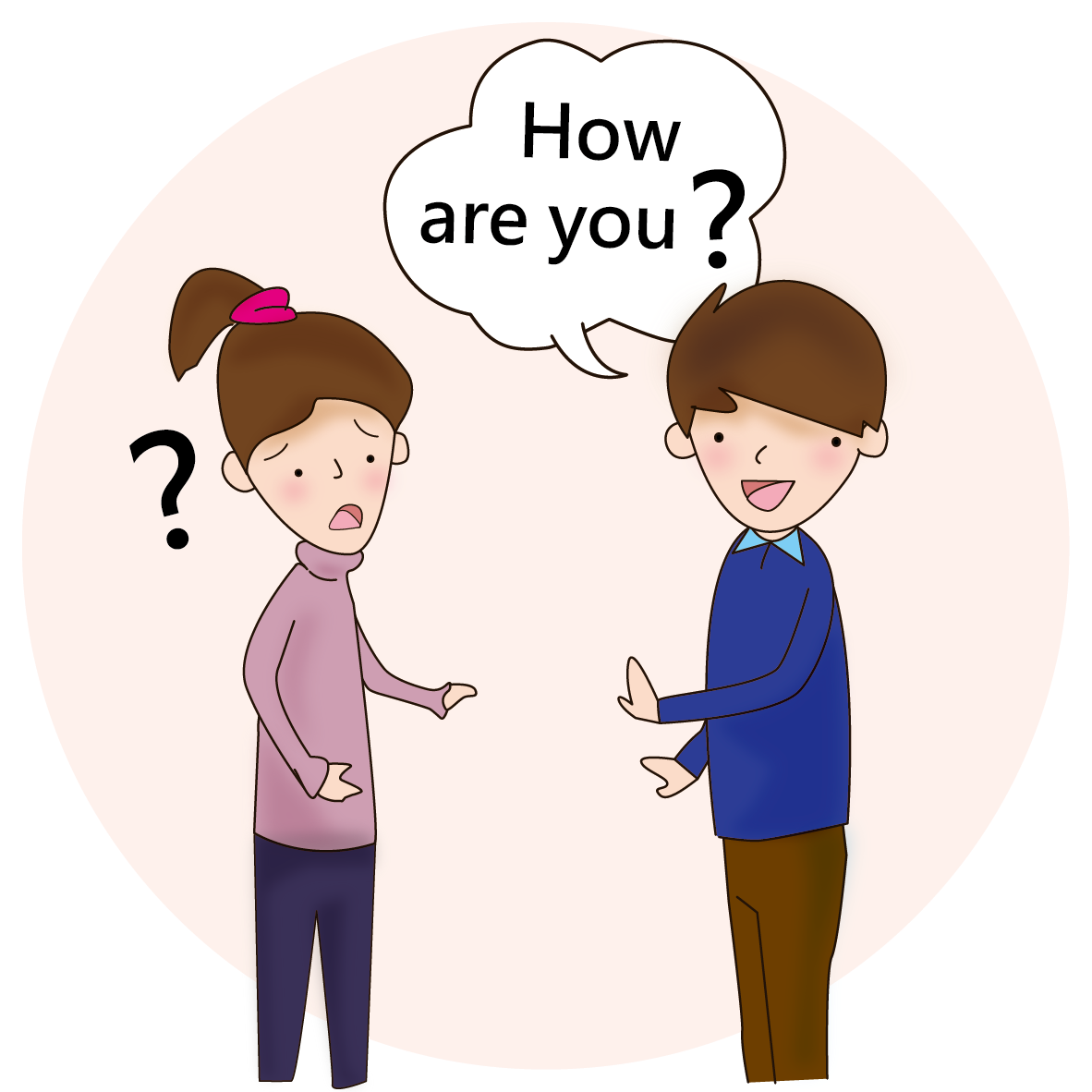
Speech Impairment

Difficulties in speech affecting communication

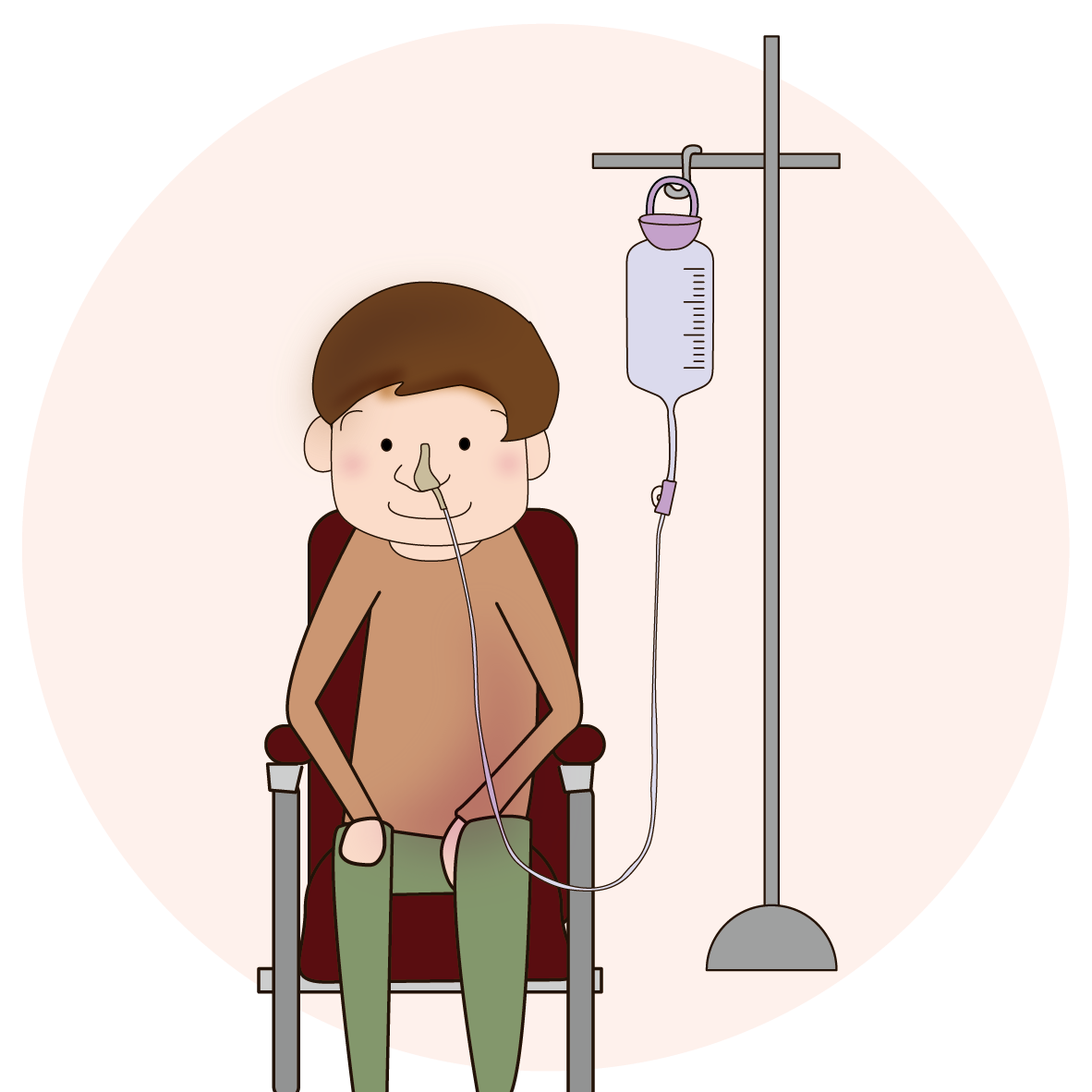
Organ Disabilities / Chronic Illnesses

Conditions caused by illness or treatment affecting organ functions or daily living

Intellectual Disabilities

Lower-than-average intellectual functioning affecting learning and adaptation

Mental Illness

Emotional, psychological, or behavioural disorders

Attention Deficit / Hyperactivity Disorder (ADHD)

Difficulties with attention, excessive activity, and impulse control

Autism Spectrum Disorder

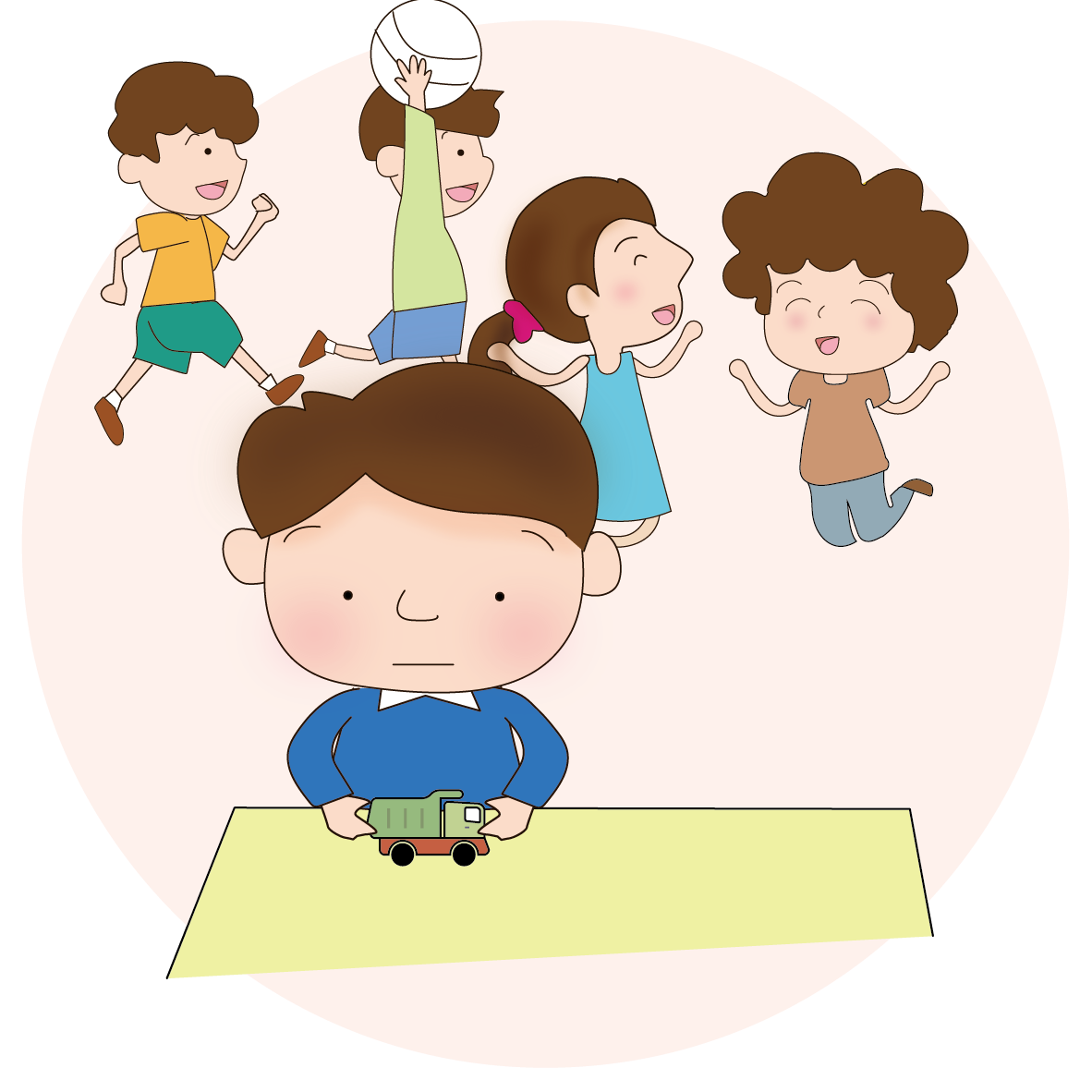
Difficulties in social interaction and communication

Specific Learning Difficulties

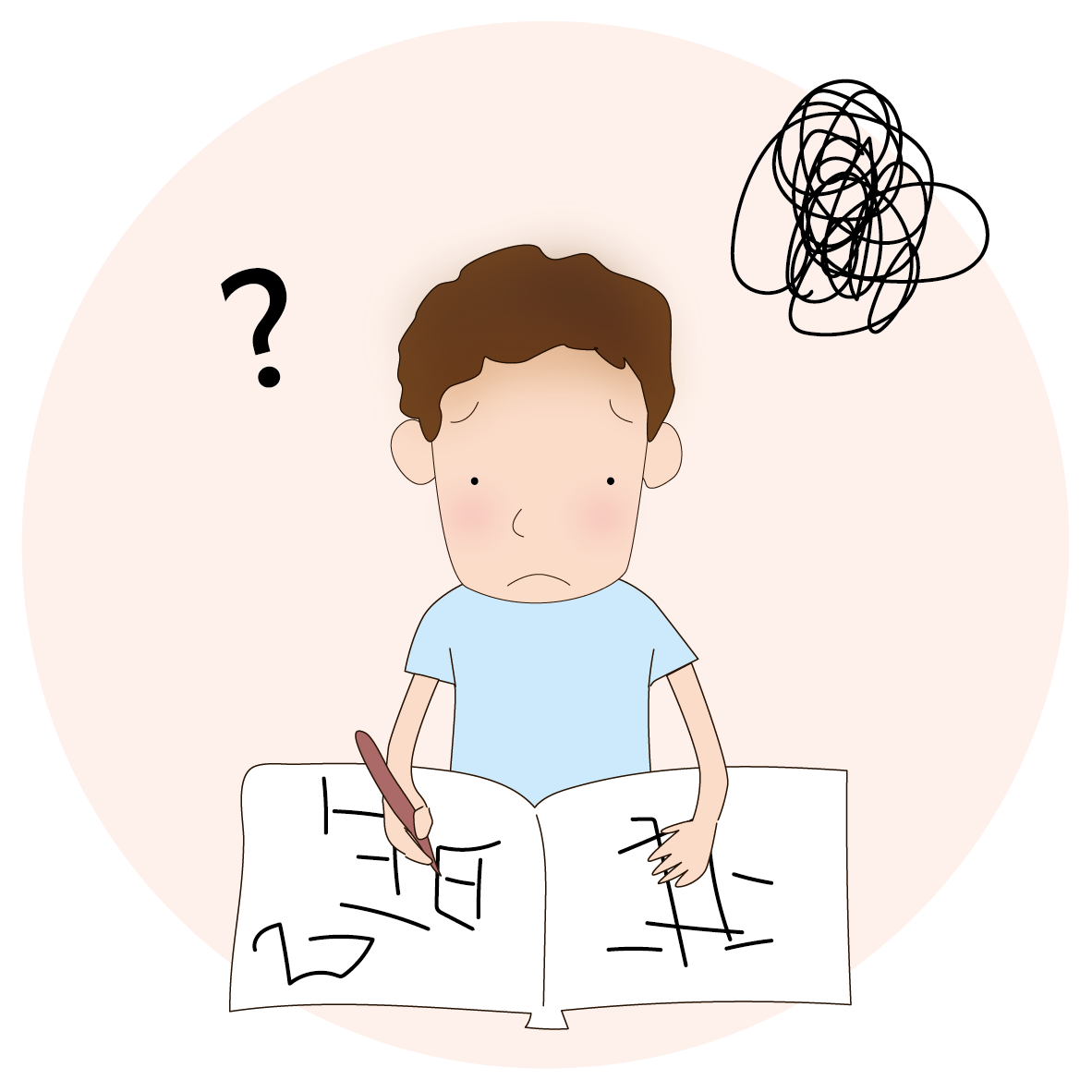
Learning challenges such as dyslexia

認識肢體殘疾人士

Persons with Physical Disabilities

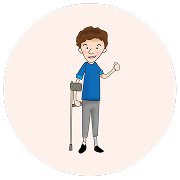
Persons with physical disabilities refer to individuals who have missing limbs or impaired limb functions, resulting in limited movement of the legs or arms, mobility difficulties, or impacts on daily living.

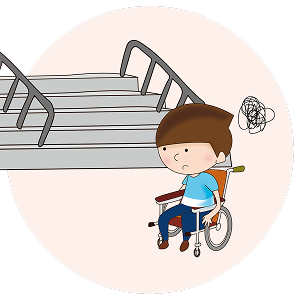
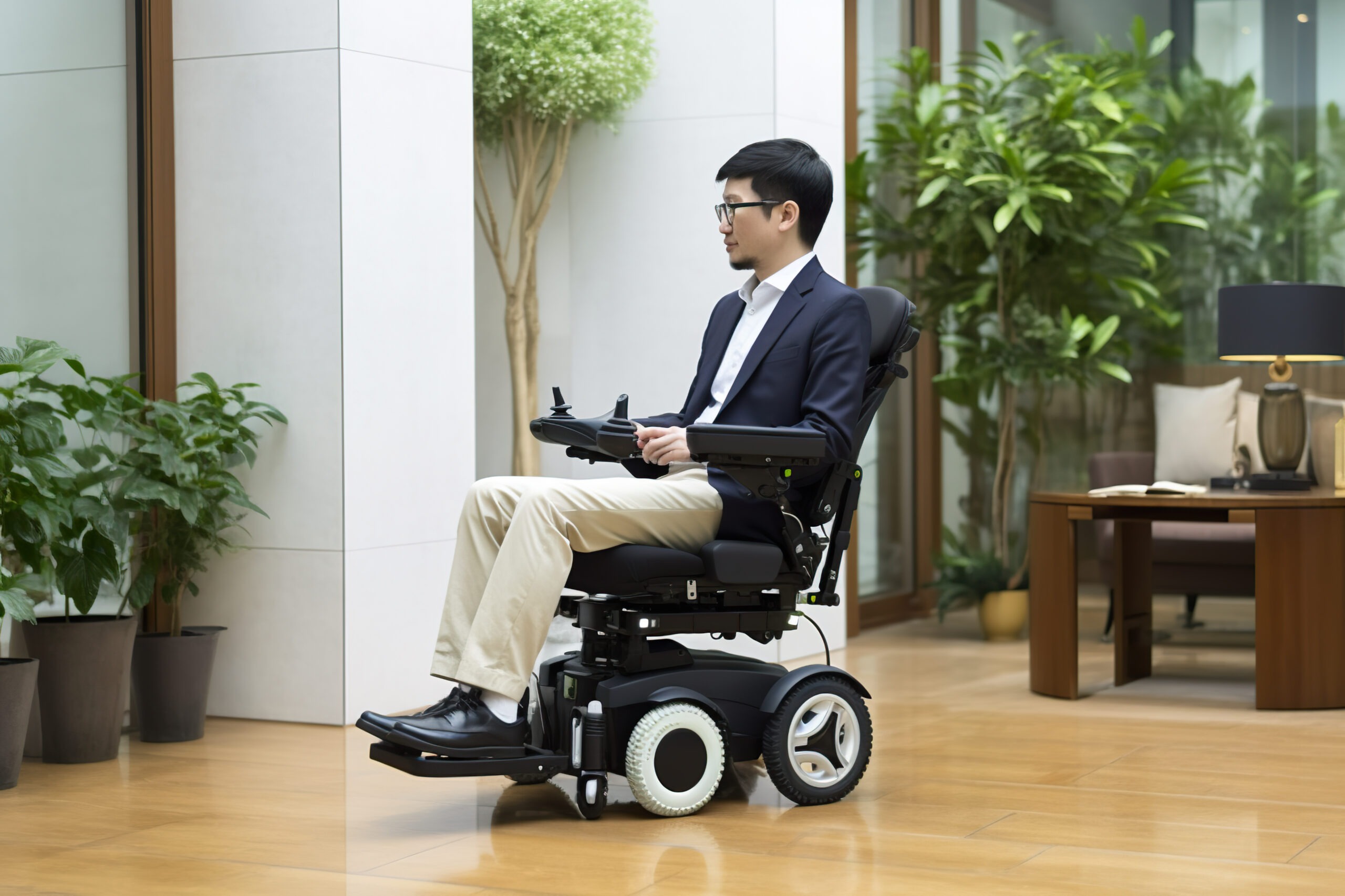
Some persons with physical disabilities require walking sticks, wheelchairs, or electric wheelchairs for mobility assistance. Without accessible facilities such as ramps or lifts in the community, travelling can become extremely inconvenient for them.

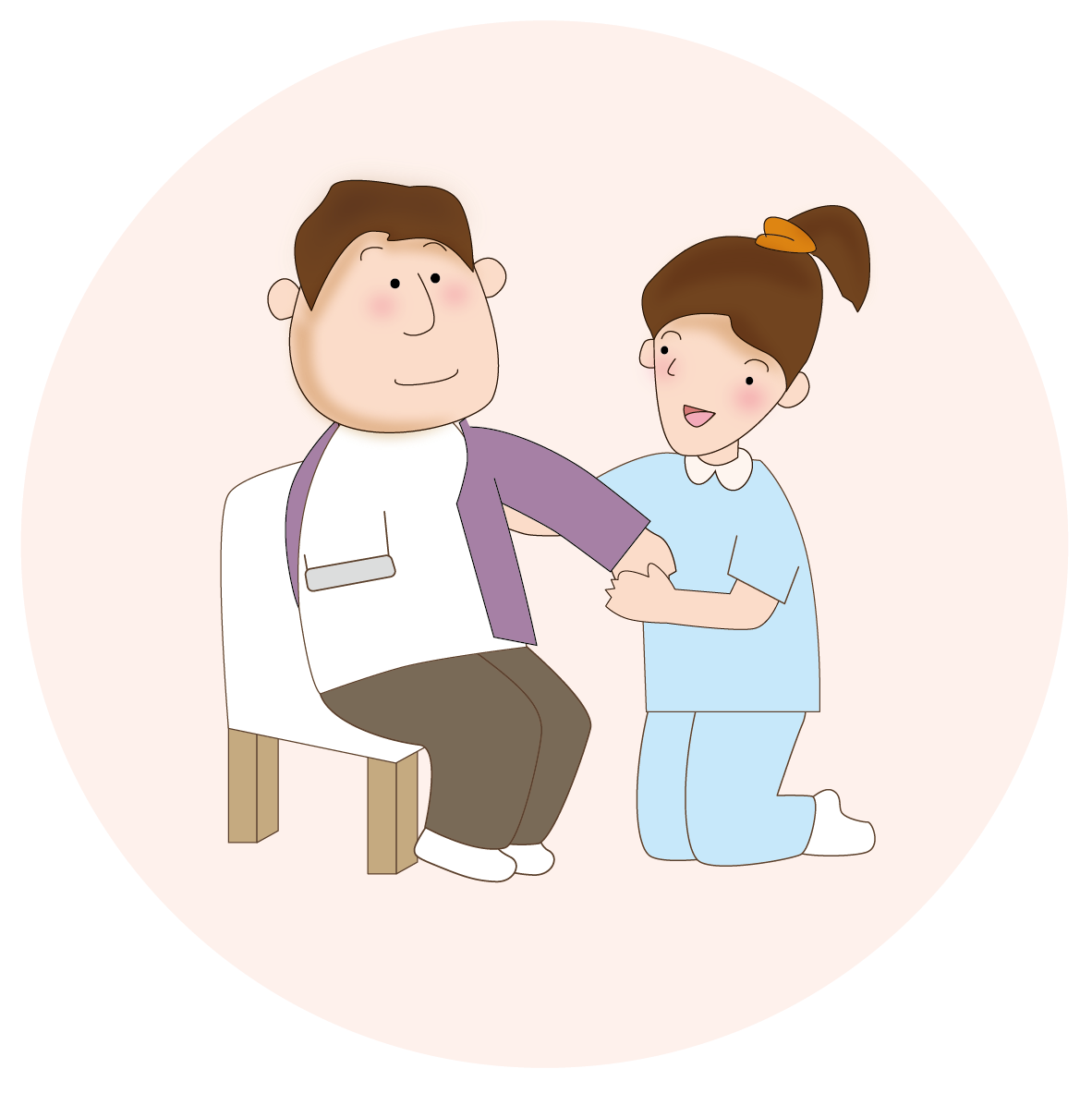
For individuals with severe physical disabilities, such as quadriplegia, self-care abilities may also be affected, and assistance may be needed for activities such as bathing or dressing.

For individuals with severe physical disabilities, such as quadriplegia, self-care abilities may also be affected, and assistance may be needed for activities such as bathing or dressing.

Assistive Devices for Persons with Physical Disabilities

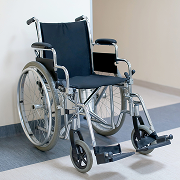
Wheelchair

Wheelchair

Allows people who cannot walk for long periods to travel while seated.

Electric Wheelchair

A powered wheelchair operated electrically without needing to be pushed.

Walking Stick

Provides support and balance for people with mobility difficulties.

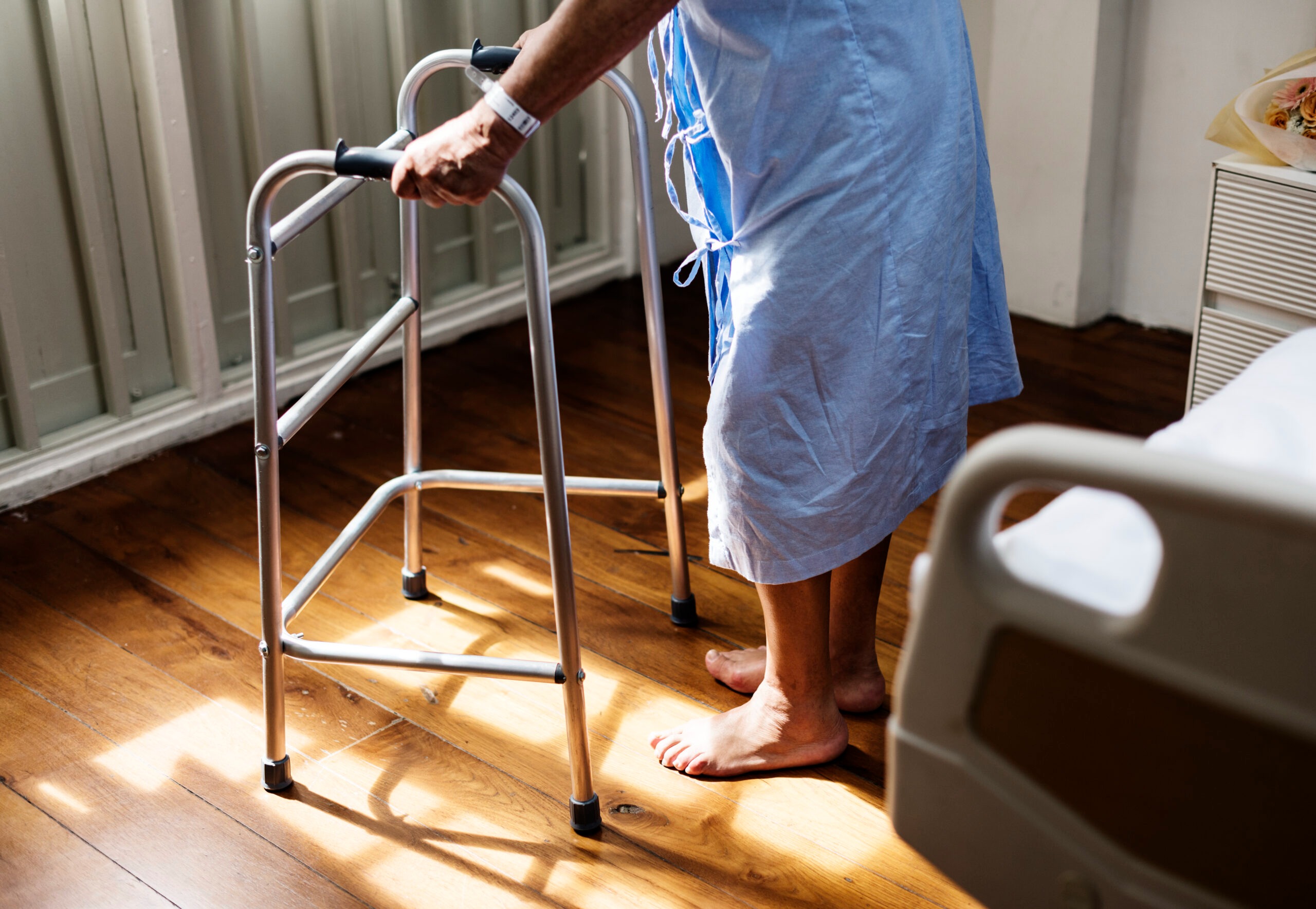
Walking Frame

Offers greater stability than a walking stick to assist mobility.

Videos

HK Monument – Lui Seng Chun: Wheelchair Vlog & Daily Life

【Getting to Know a Person with Physical Disability @ Fish】《Barrier-Free Inclusion Guide》 Video 01 ︳[Chinese Subtitles · Sign Language]

《Q&A for Persons with Disabilities (1)》: What should wheelchair users do if the lift breaks down?

《Q&A for Persons with Disabilities (2)》: What should wheelchair users do if their electric wheelchair breaks down while they are out on the street?

《Q&A for Persons with Disabilities (3)》: If you have a choice, why not use an electric wheelchair?

《Q&A for Persons with Disabilities (4)》: How can you exercise while sitting down?

《Q&A for Persons with Disabilities (5)》: Want to cross the harbour? Can wheelchair users take a ferry?

《Q&A for Persons with Disabilities (6)》: How do wheelchair users use the toilet?

Historical Figure with Physical Disabilities

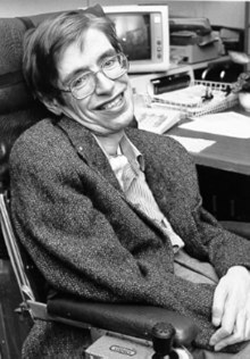
Stephen Hawking (1942–2018)

Stephen Hawking at NASA

Stephen Hawking at the National Aeronautics and Space Administration (NASA). Source: Wikipedia

As a young man, Hawking showed remarkable academic talent, and was consistently at the top of his class during his time at the University of Oxford. Unfortunately, at the age of 21, Hawking was diagnosed with Muscular Atrophic Lateral Sclerosis (MALS), which caused him to gradually lose control of his body.

His muscle wasting worsened and he eventually lost the ability to speak, relying only on his fingers to express his thoughts and communicate with others. However, Hawking didn’t give up on himself. Even though his body was deteriorating every day, his mind continued to race.Although he was physically handicapped, this did not hinder his scientific research. He produced many important ideas and theories on the study of black holes and became one of the world’s greatest physicists.

Stephen Hawking is always optimistic about his condition. His experience teaches us that as long as we persevere and don’t give up, we can eventually achieve our dreams.

認識視障人士

Persons with Visual Impairment

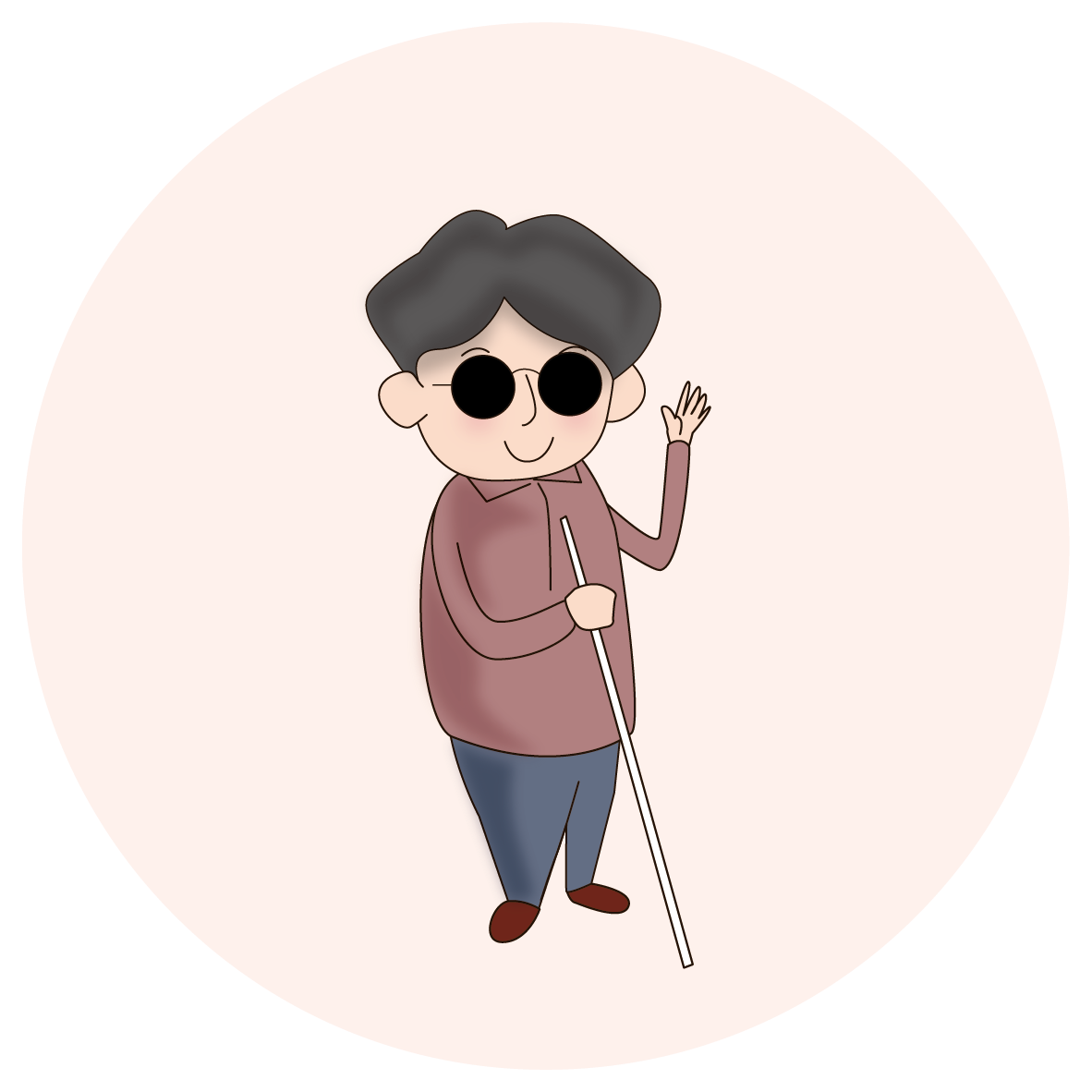
A visually impaired person is a person who has lost some of all of their sight.

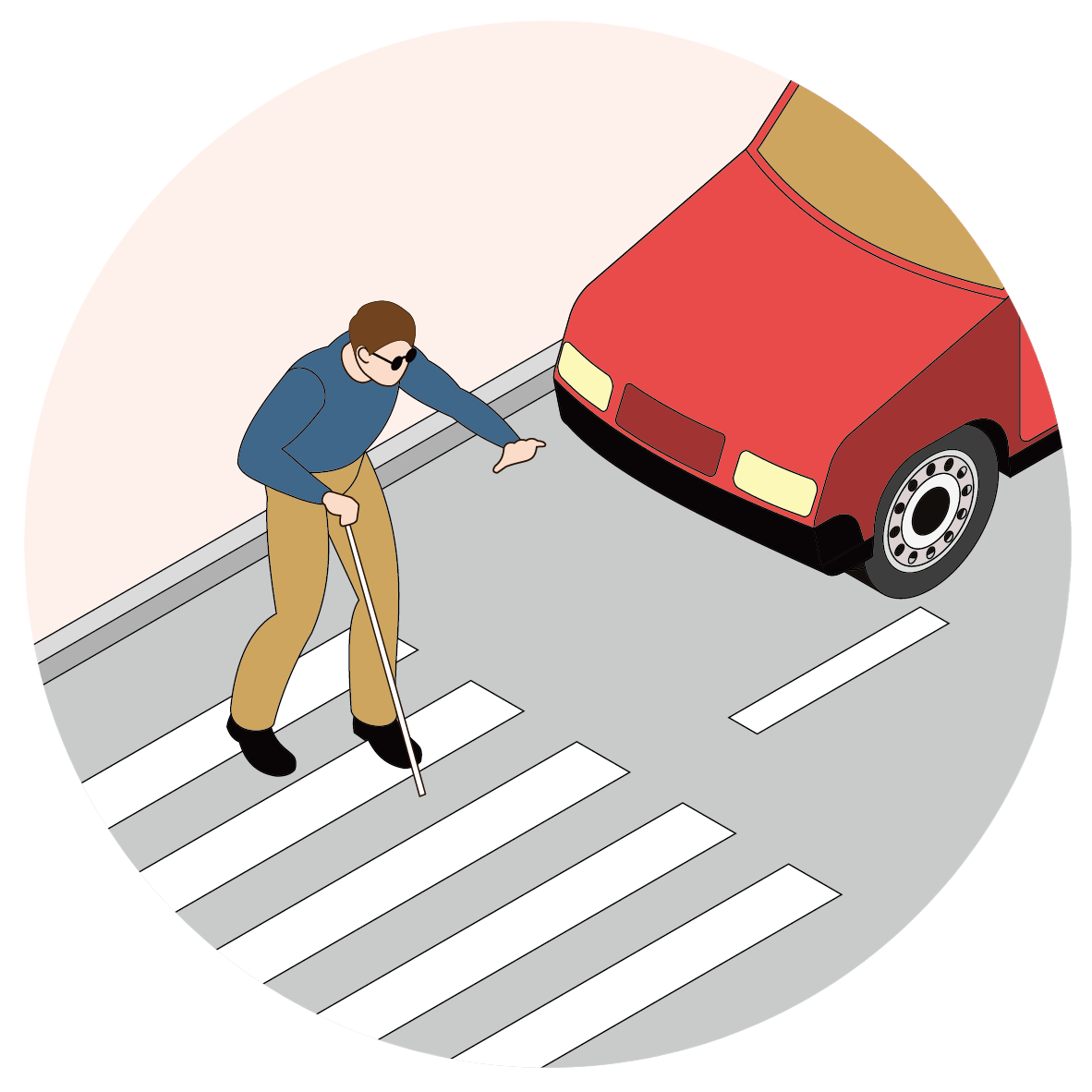
Some visually impaired people need to use a white cane or guide dog to help them in the street, to avoid knocking things over and to prevent accidents when they go out. If the community does not provide the accessible facilities that visually impaired people need, such as tactile pathways or public announcement systems at bus stops, they can easily get lost when they are out and about.

Because their vision is affected, they also face many challenges in their daily lives, such as recognising clothing, reading or using smartphones, etc. They need to use some assistive devices to help them.

Although visually impaired people face many difficulties and challenges in their lives, there are many visually impaired people in our society who have made outstanding achievements despite their visual impairment.

Assistive Tools for Persons with Visual Impairment

White Cane

Allows the user to observe what is in front of them by swinging the white cane.

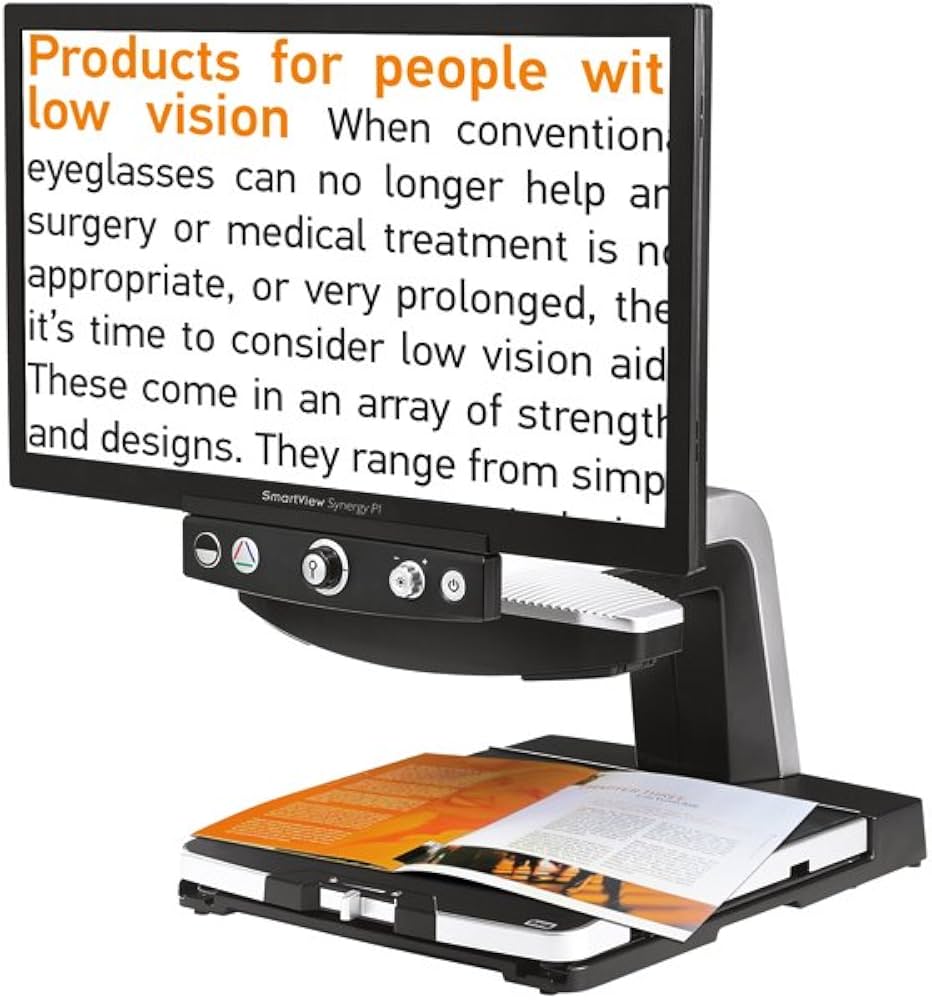
Magnifier

Zoom in on the text or images to make them easier to read.

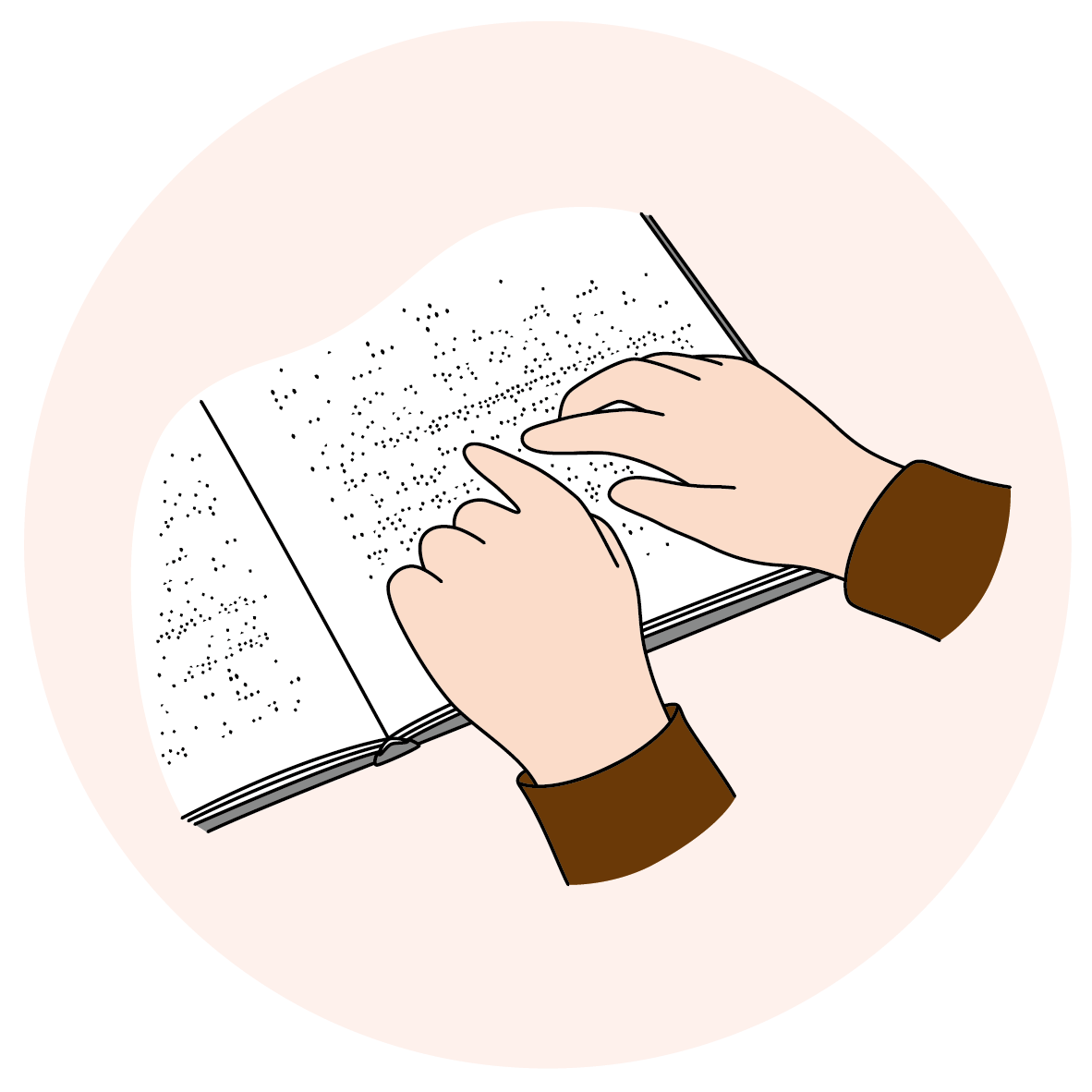
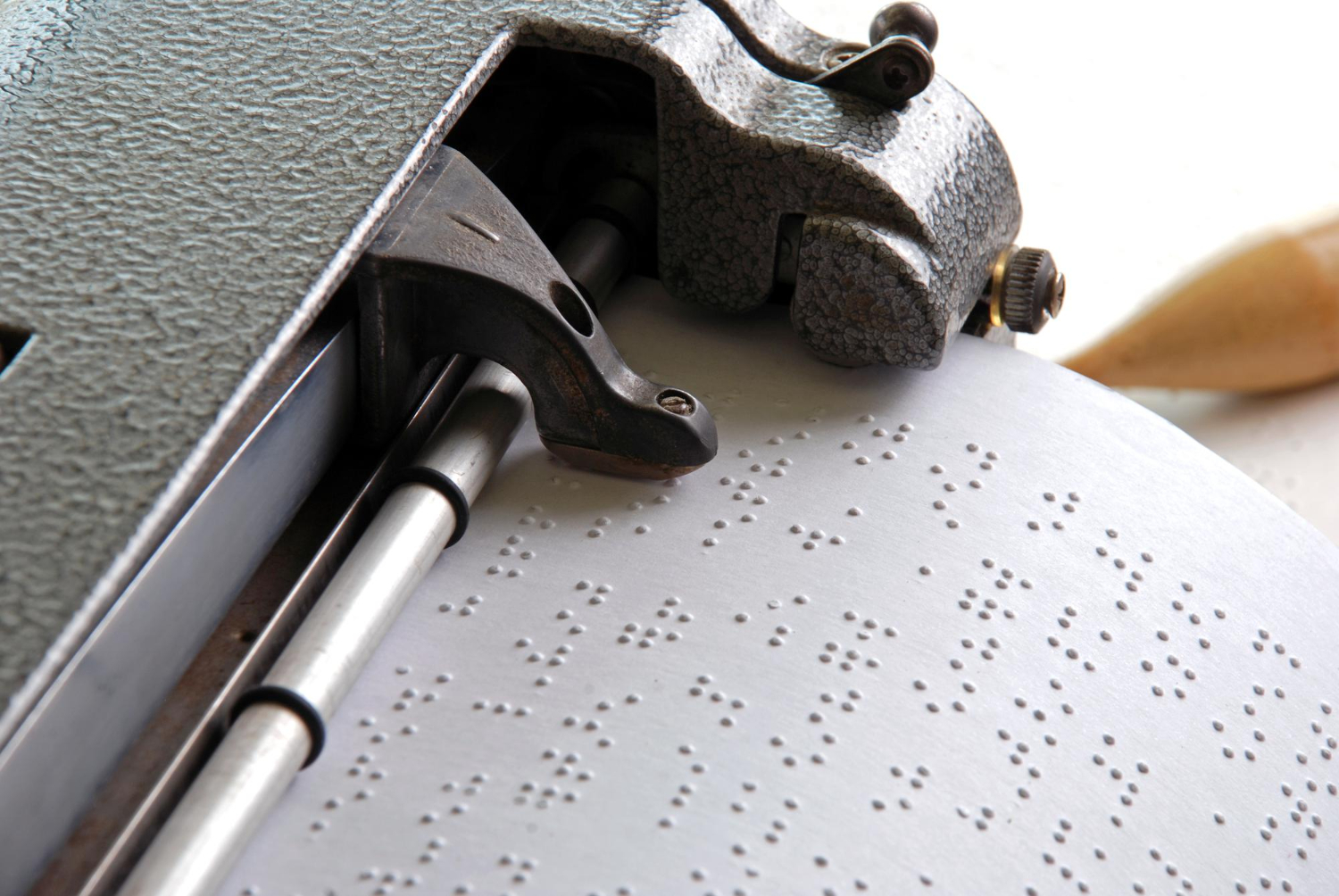
Braille Machine

Converts words into raised dots, allowing the visually impaired to understand the text by touching it with their fingers.

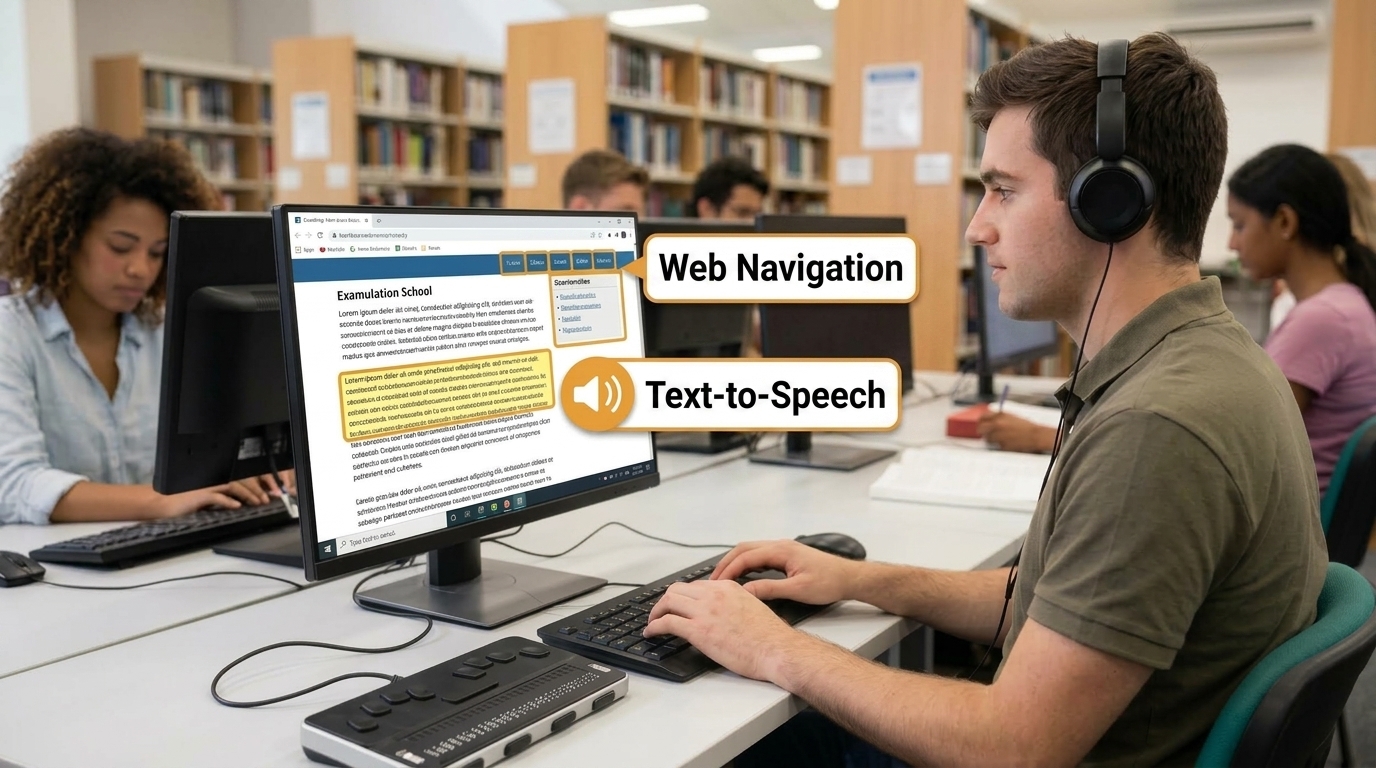
Screen Reader Software

Reads aloud text and image descriptions on computers or smartphones.

Be My Eyes

A mobile app connecting visually impaired users with sighted volunteers through live video assistance.

Videos

Blind Bus Fan: Identifying buses by sound! How to ride alone? Visuals in dreams?

【Getting to Know a Person with Visual Impairment @ Bread】《Barrier-Free Inclusion Guide》 Video 02 ︳[Chinese Subtitles · Sign Language]

Historical Figure with Visual Impairment

Helen Keller (1880–1968)

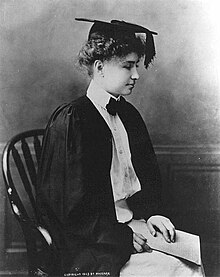
Helen Keller graduated from Harvard University in 1904. Source: Wikipedia

Helen Keller lost her sight and hearing to illness when she was 19 months old. At the age of 7, she learnt to read by having her teacher write on her palm, and within a year she was signing, reading and writing Braille. At the age of 10, Helen Keller learnt to speak by feeling her teacher’s tongue and lips with her hands and trying to imitate the shape of her teacher’s mouth. Since then, Helen Keller has been an enthusiastic student and learnt five languages. In 1904, she received a Bachelor of Arts degree from Harvard University, becoming the first deaf-blind person to graduate from an institution of higher education.

In 1924, Helen Keller founded the Helen Keller International. In 1946, she became the International Relations Advisor for the American Foundation for the Blind. She travelled around the world and visited 35 countries, campaigning for the establishment of schools for the blind around the world. She visited patients in hospitals to share her experiences. She also campaigned for the rights of various disadvantaged groups. Her strong will and dedication have made her a role model for the world to follow.

認識聽障人士

Persons with Hearing Impairment

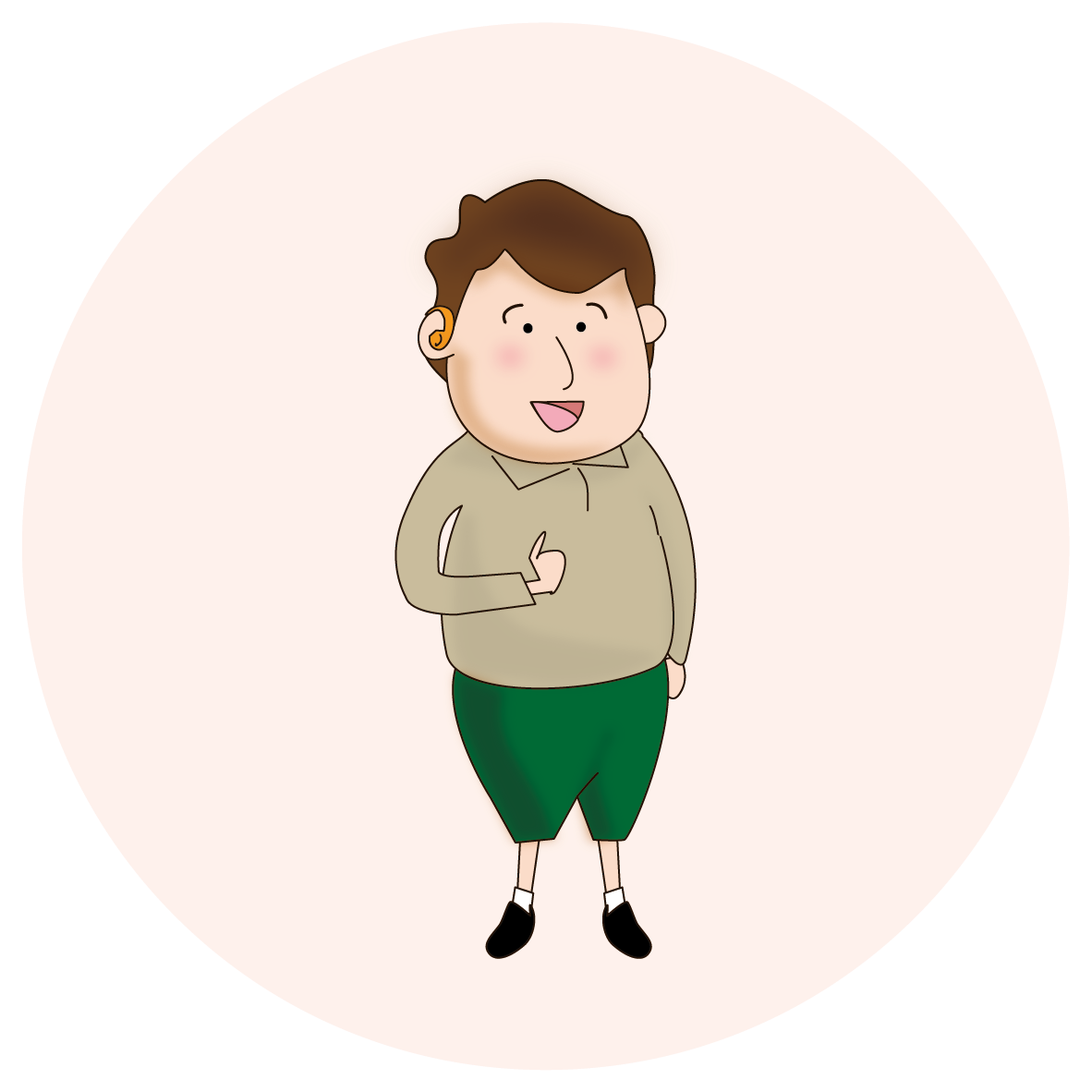
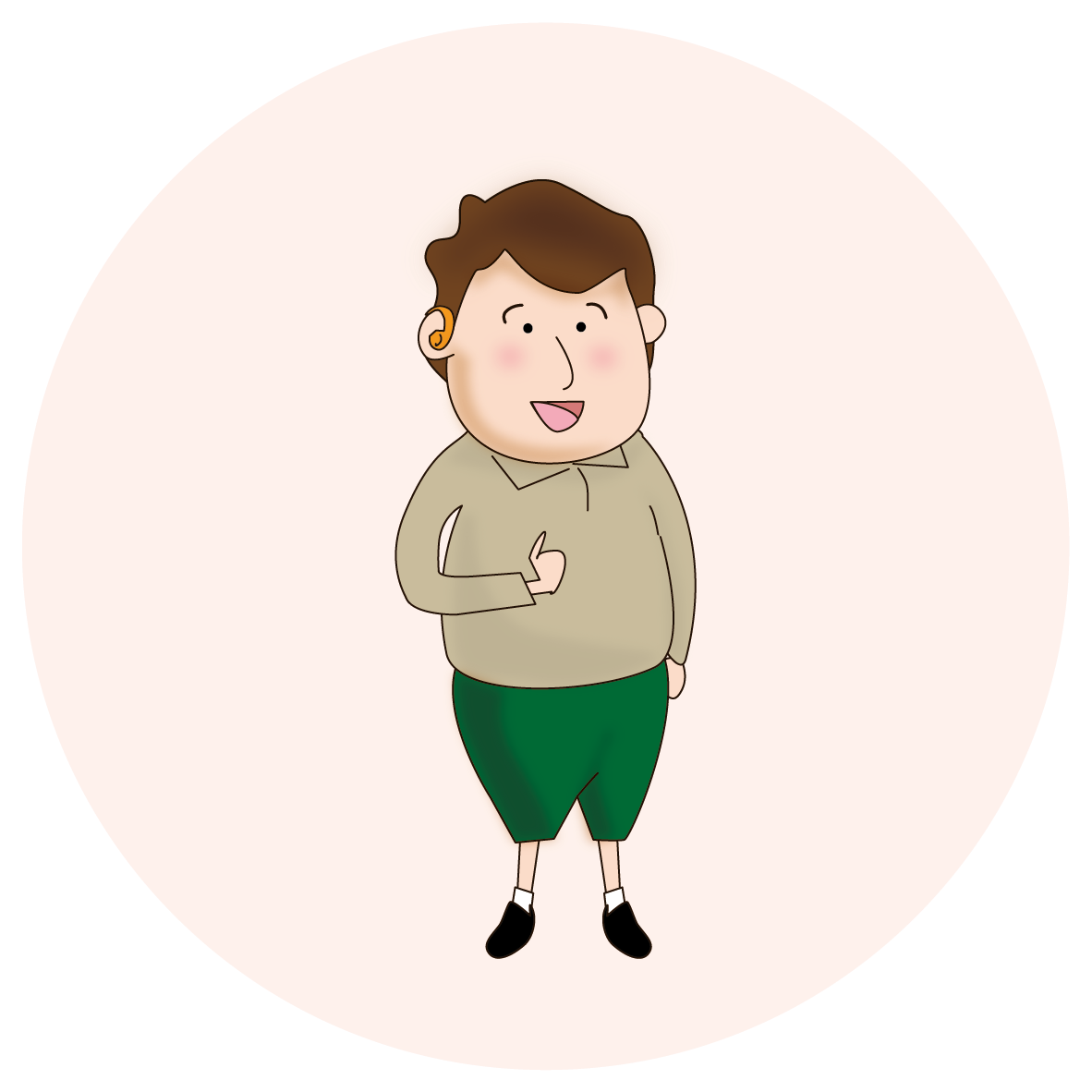
A hearing impaired person is a person who has some hearing loss or total hearing loss.

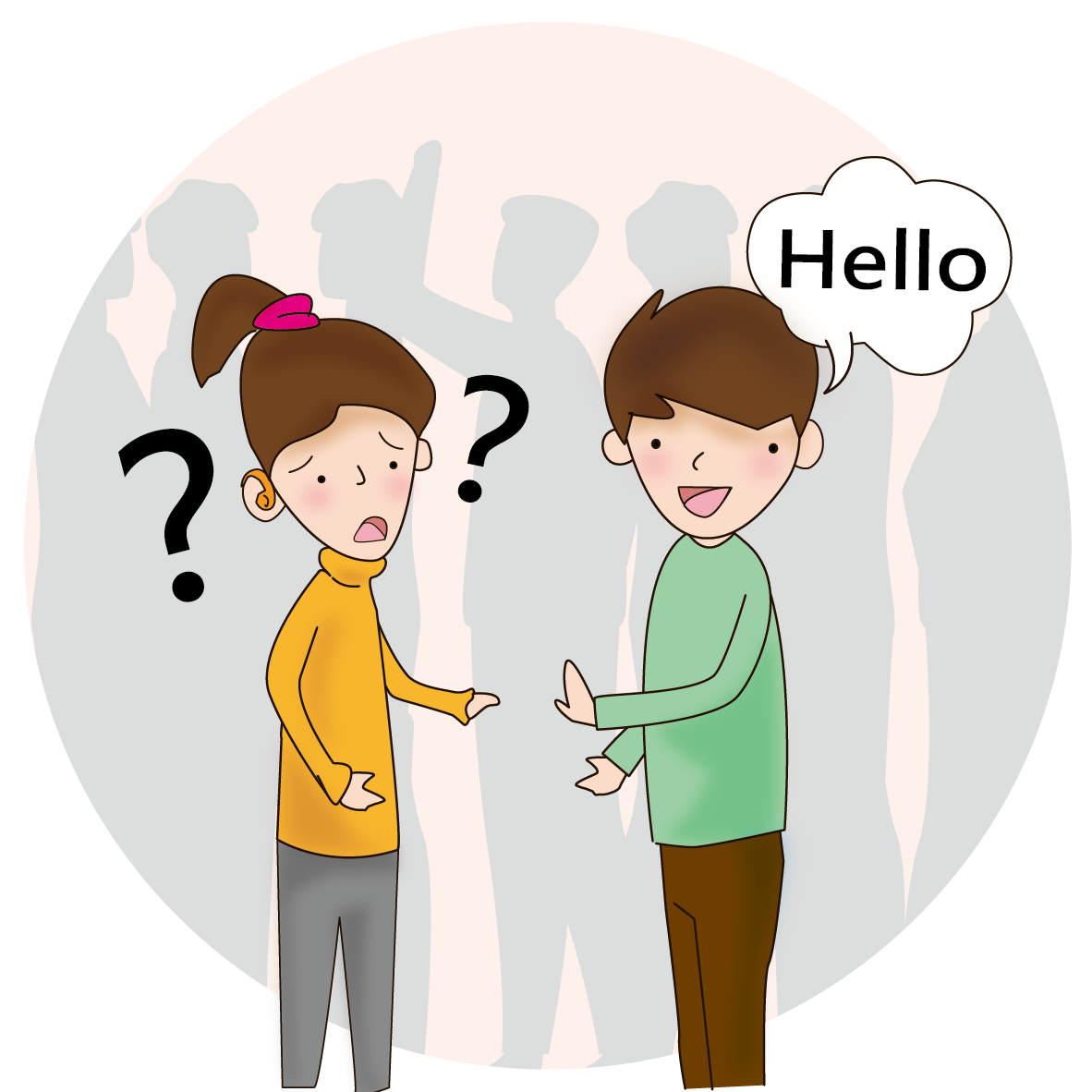
Some hearing impaired people need to use hearing aids or sign language to help them communicate in their daily lives. It is very inconvenient for them to communicate with other people if the environment is too noisy or if the other person does not know sign language. Hearing impairment has a major impact on their learning and daily lives.

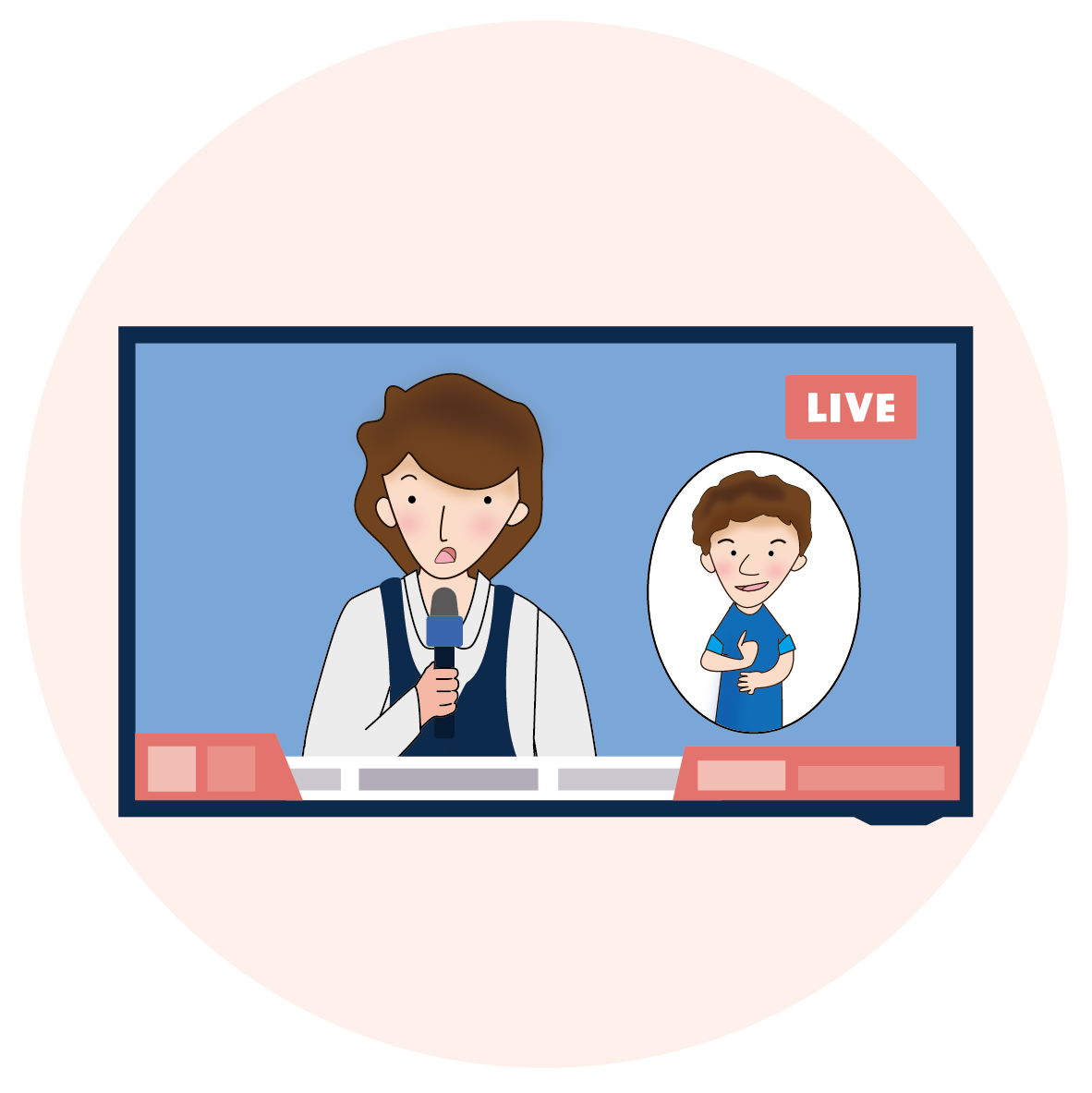
Hearing impaired people rely heavily on their vision to receive information. Auxiliary aids such as sign language interpreters or visual signalling devices can help hearing-impaired people gain access to important information in the community that would otherwise make it difficult for them to participate in the community.

Although hearing impaired people face many difficulties and challenges in their lives, many hearing impaired people in society have made outstanding achievements beyond the hearing barrier.

Assistive Tools for Persons with Hearing Impairment

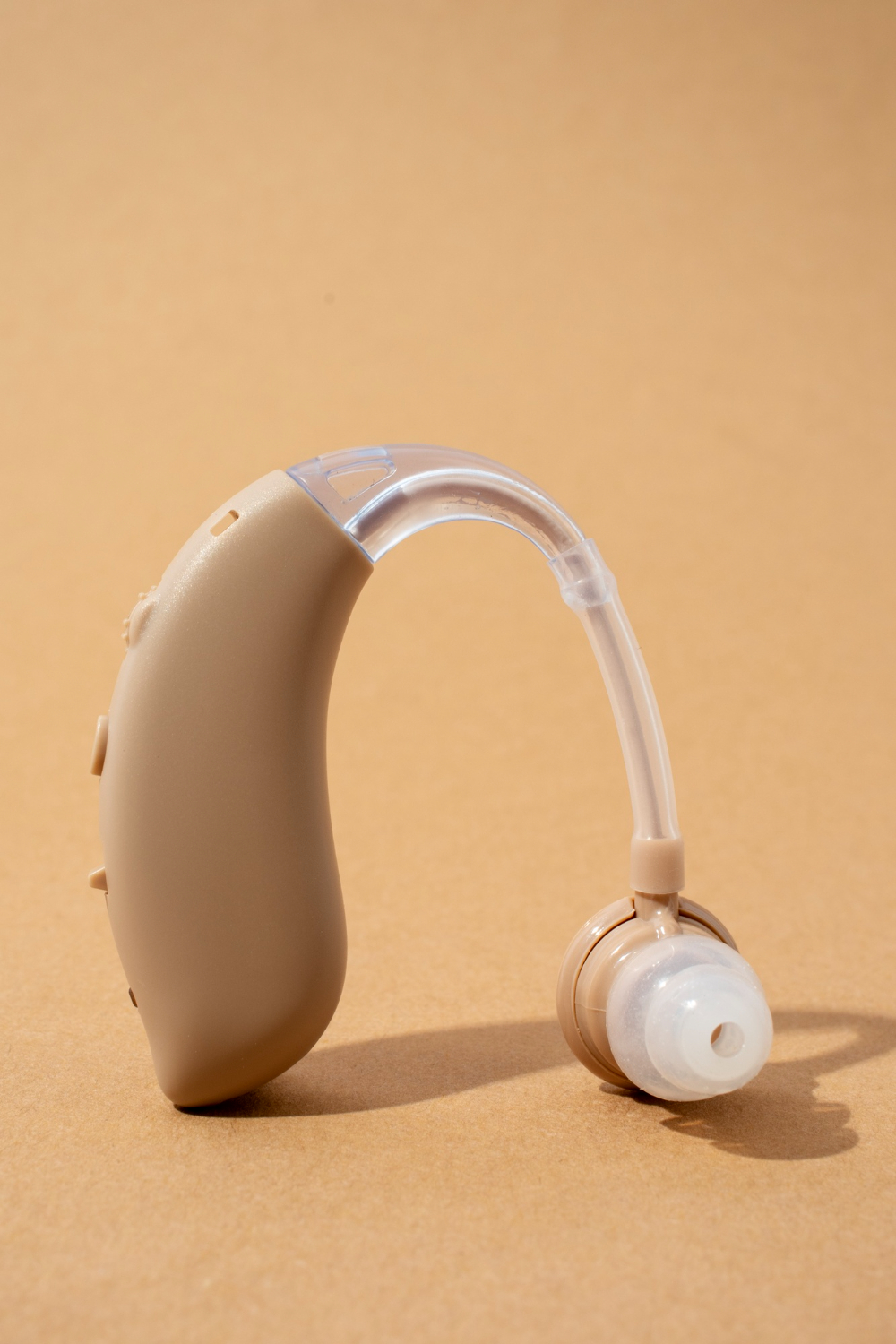
Hearing Aid

Allows the user to observe what is in front of them by swinging the white cane.

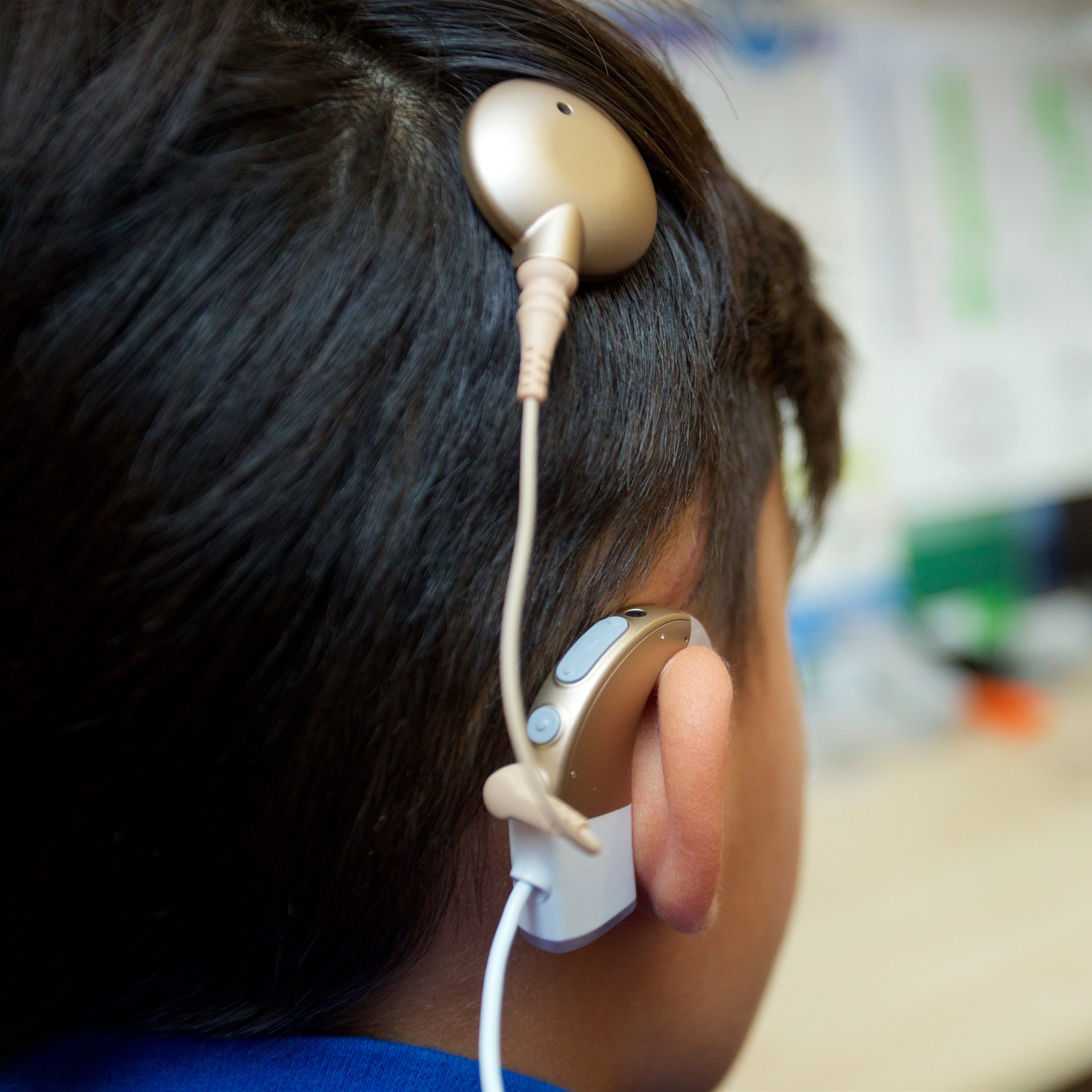
Cochlear Implant

Zoom in on the text or images to make them easier to read.

Flashing Doorbell

Converts words into raised dots, allowing the visually impaired to understand the text by touching it with their fingers.

Vibrating Alarm Clock

Offers greater stability than a walking stick to assist mobility.

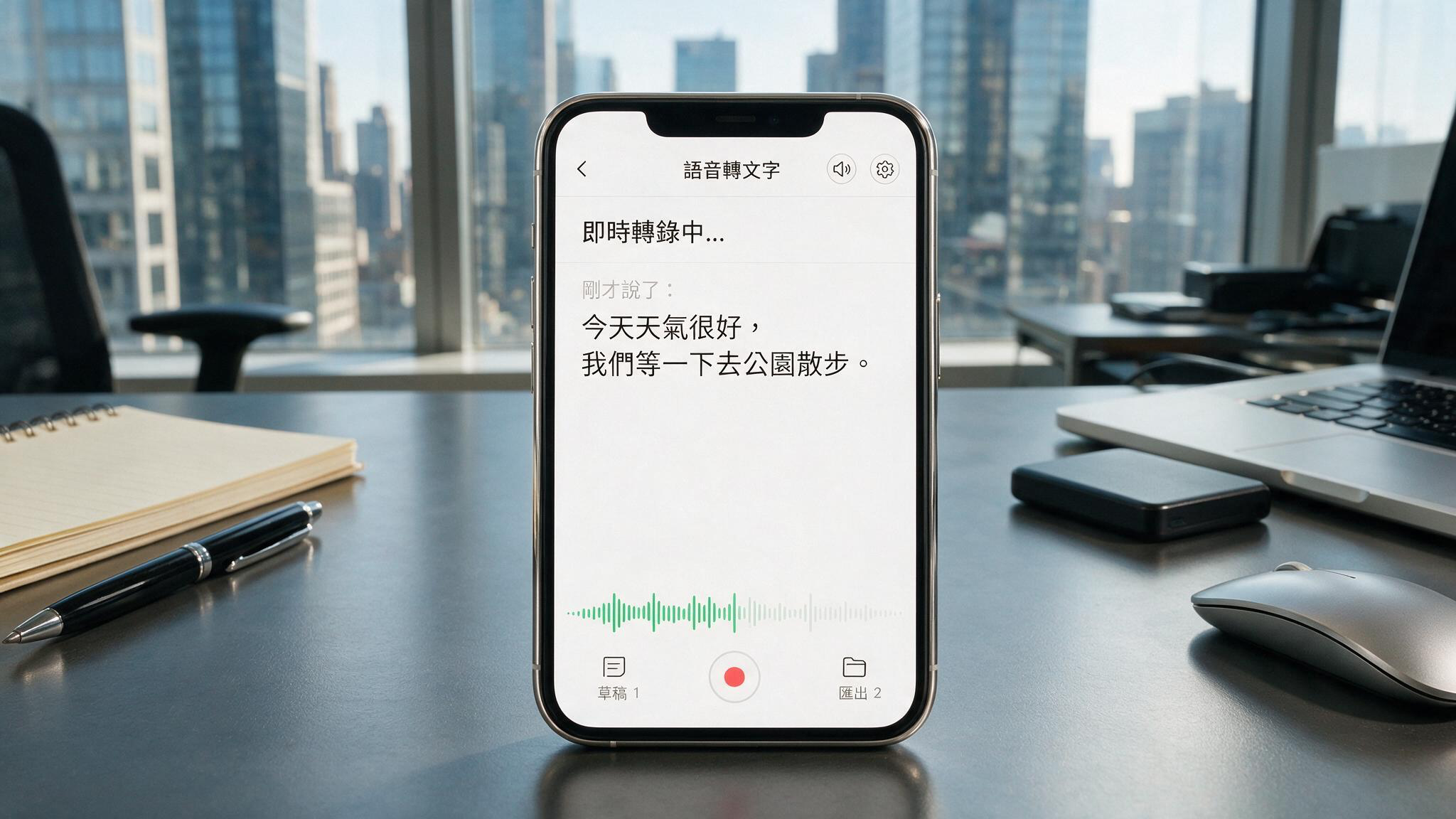
Speech-to-Text Function

Converts words into raised dots, allowing the visually impaired to understand the text by touching it with their fingers.

Videos

A Person with Hearing Impairment, Loves Concerts & Doesn’t Know Sign Language!

【Getting to Know a Person with Hearing Impairment @ Fong Bao】《Barrier-Free Inclusion Guide》 Video 03 ︳[Chinese Subtitles · Sign Language]

Historical Figure with Hearing Impairment

Thomas Edison (1847–1931)

Edison in 1922.

Thomas Edison is one of the world’s most famous scientists, with patents for several important inventions, including the phonograph and the electric light bulb. There are many different stories about Edison’s hearing loss, but he had already lost most of his hearing by the age of 12. Rather than being discouraged by his hearing loss, Edison saw it as an asset that allowed him to focus on his experiments and research. Despite Edison’s hearing loss, he still managed to invent the phonograph, which some say was able to play material for the blind, similar to today’s “audiobooks”.

Edison’s hearing loss didn’t stop him from succeeding, and his inventions have touched the lives of generations of people around the world. He is an inspirational role model morewho has motivated people all over the world.

試想想…

Think About It

Terms Used to Describe Persons with Disabilities

Which of the following terms would you choose to describe people with physical or mental disabilities? Why?

A

Handicapped Person

B

Person with Disability

C

Disabled Person

D

Persons with and without Disabilities

A . Handicapped Person

The term “handicapped” emphasises injury or incompleteness and is sometimes criticised for focusing negatively on personal deficiencies.

B . Person with Disability

This term is based on the medical model, describing disability as a physical condition. It is also the official term used in Hong Kong legislation and official documents, such as the Disability Discrimination Ordinance.

C . Disabled Person

This term reflects the social model of disability, emphasising that barriers arise from society and the environment rather than from the individual.

D . Persons with and without Disabilities

This term is commonly used in Hong Kong in the context of inclusion, referring collectively to people with and without disabilities rather than describing a specific individual.

Different terms reflect different perspectives and understandings. However, language is ultimately a tool for communication. Even the “correct” terminology may still make others uncomfortable if spoken with prejudice or disrespect. More important than the wording itself is respecting the wishes and feelings of the individuals concerned.

This site is registered on wpml.org as a development site. Switch to a production site key to remove this banner.