


真正的障礙從哪裡來?

Where Do Real Barriers Come From?
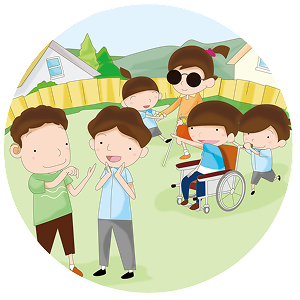
From the perspective of the modern social model, the challenges faced by persons with disabilities do not arise solely from their physical or mental conditions, but from the interaction between an individual’s impairment and social attitudes or environmental barriers.

Therefore, the Convention on the Rights of Persons with Disabilities states that States Parties should take all appropriate measures to ensure reasonable accommodation is provided, so that persons with disabilities can live independently and participate fully in all aspects of life on an equal basis with others. This includes, but is not limited to, accessible access to buildings, transportation, information, and communication.

無障礙與相關法規

Accessibility and Related Regulations

Convention on the Rights of Persons with Disabilities (CRPD)

Hong Kong’s Disability Discrimination Ordinance aims to protect the rights of persons with disabilities to participate equally in society. The Ordinance states that it is unlawful discrimination if a building fails to provide proper access for persons with disabilities to enter or use public places, or refuses to provide appropriate facilities for them (unless doing so would cause “unjustifiable hardship”).

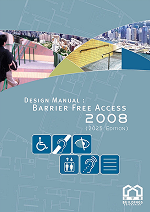
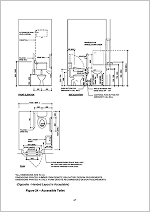
The Buildings Department’s Design Manual: Barrier Free Access 2008 provides clear guidelines for accessible access and facilities within buildings. Unless compliance would cause unjustifiable hardship to the owner, all newly constructed buildings or buildings undergoing major alterations must comply with the requirements.

Think About It

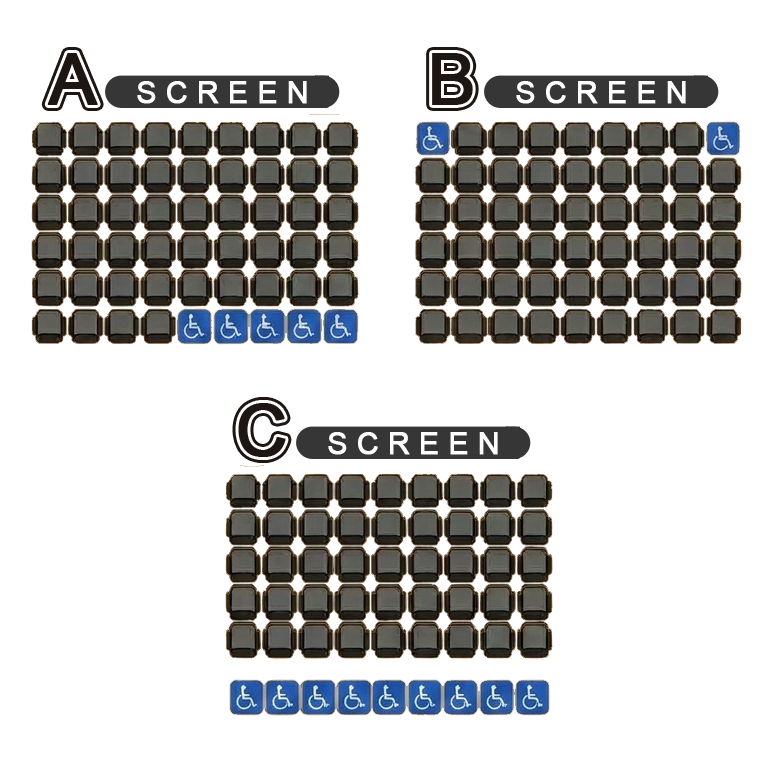
According to the Design Manual, theatres must provide designated wheelchair seating areas. Imagine if you were a wheelchair user — which of the following theatre seating arrangements would you prefer? Why?

A

Wheelchair spaces located at the back row and connected with regular seating.

B

Wheelchair spaces located at the side in the front row near the screen.

C

Wheelchair spaces located at the back row but separated from regular seating.

Answer: Option A

Option A is the most ideal because accessible design is not simply about “having a space for wheelchairs.” Social and emotional needs should also be considered. Wheelchair users often attend with family or friends, and Option A allows them to sit together. This truly reflects the spirit of inclusion and equality.

(Option B creates poor viewing angles, while Option C separates wheelchair users from their companions.)

常見的無障礙設施

Accessible Facilities

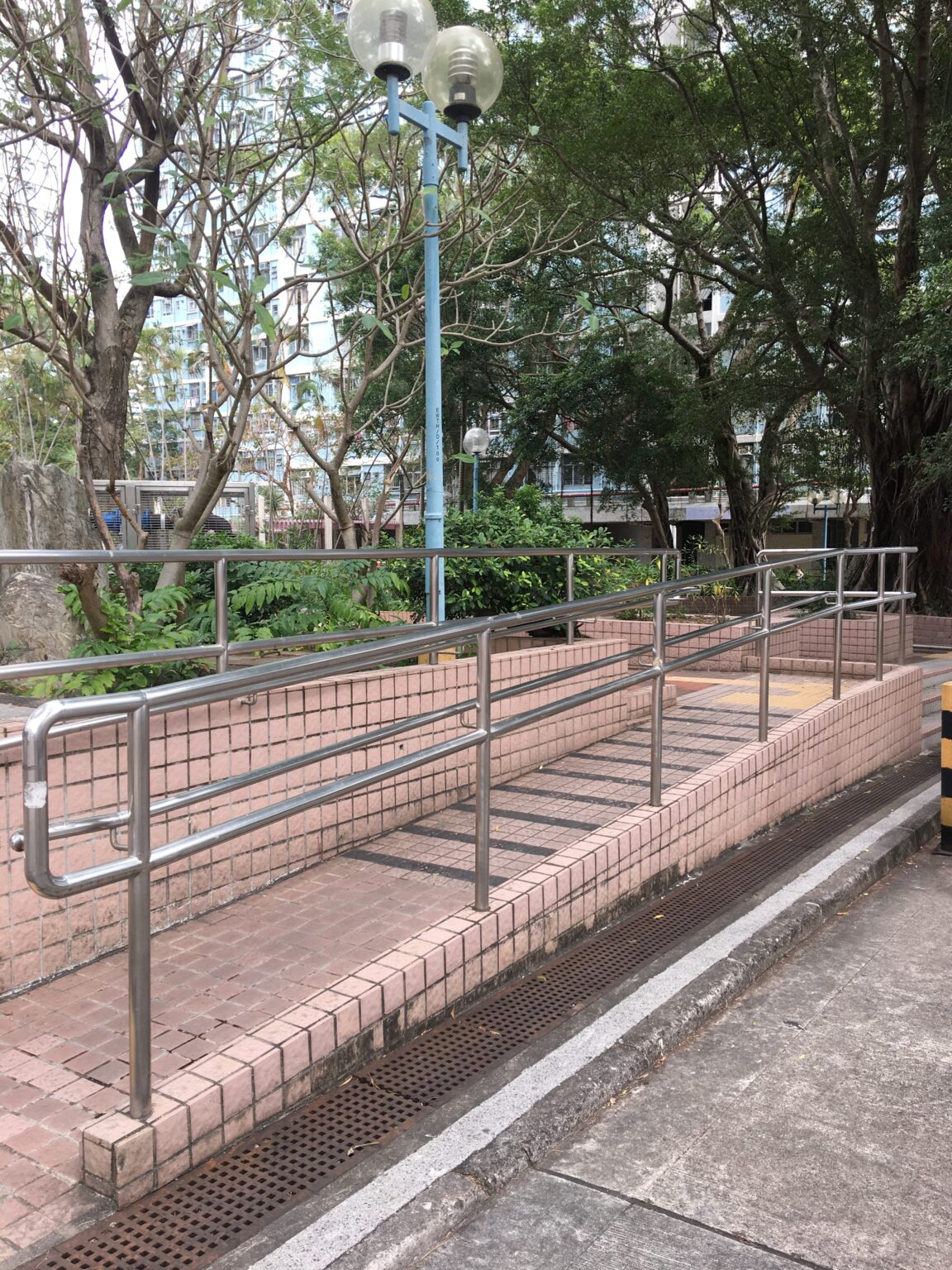
Ramp

Allows wheelchair users to access places at different heights.

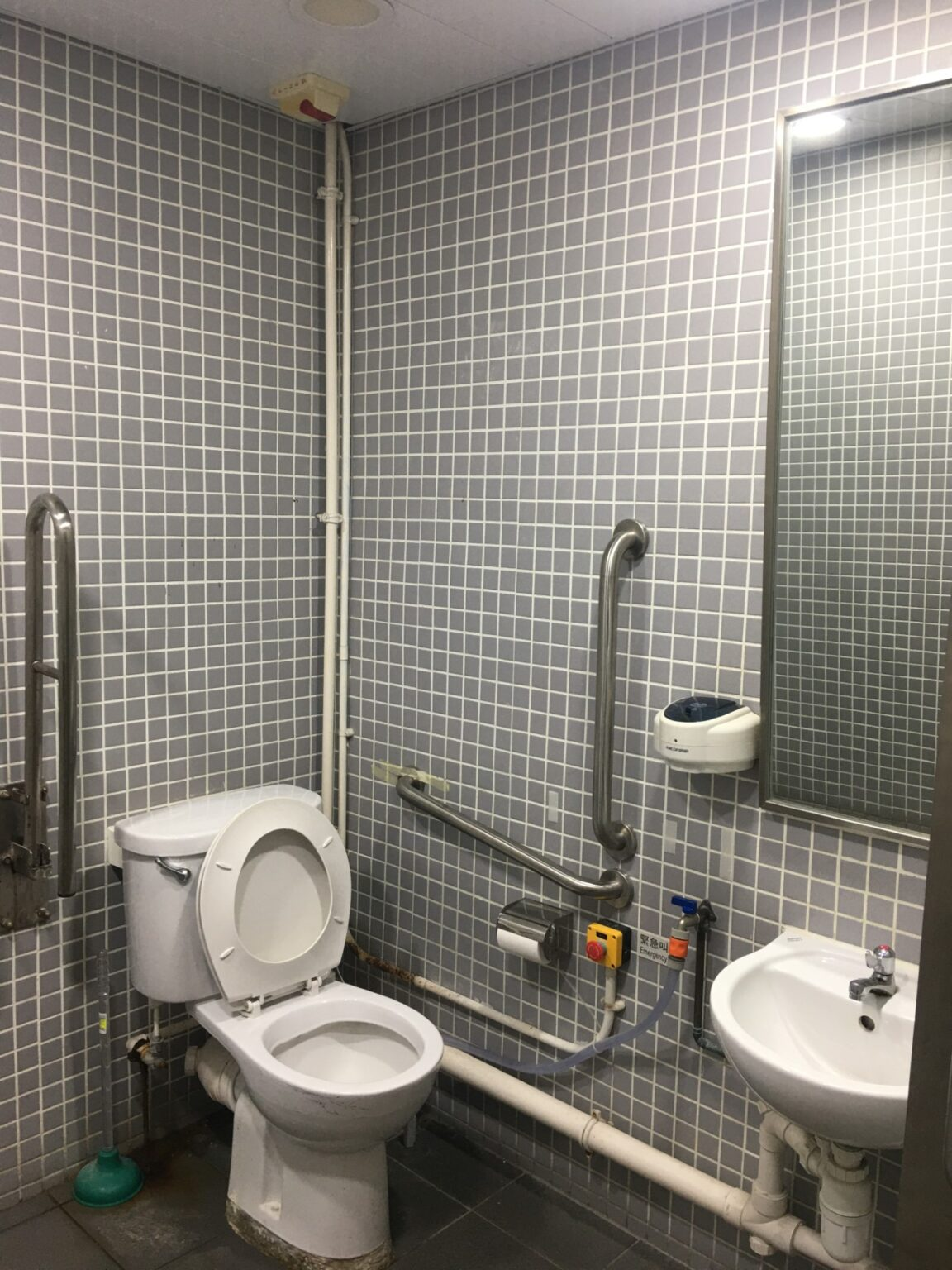
Accessible Toilet

Toilets designed for wheelchair users and people with other accessibility needs.

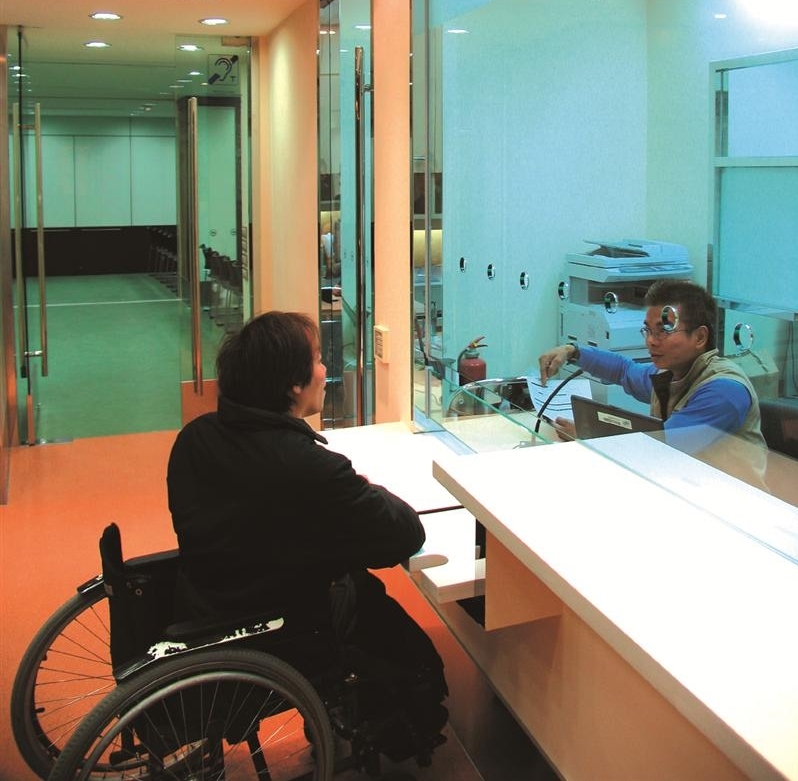
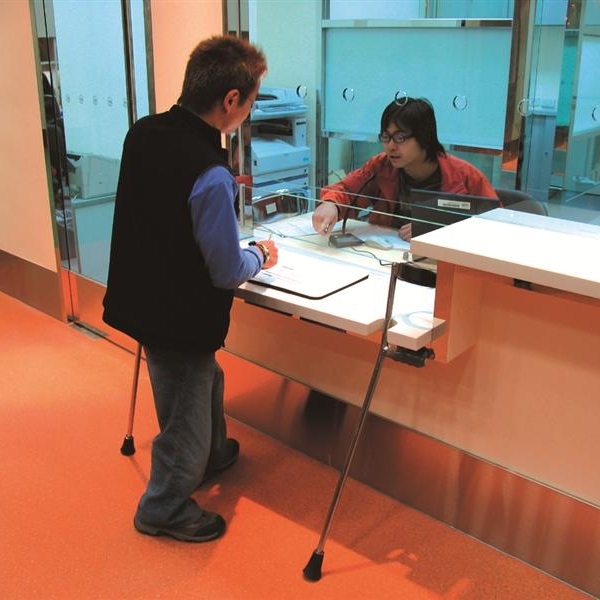
Low Counter / Desk (with wheelchair space underneath)

Allows wheelchair users to move closer to counters or desks comfortably.

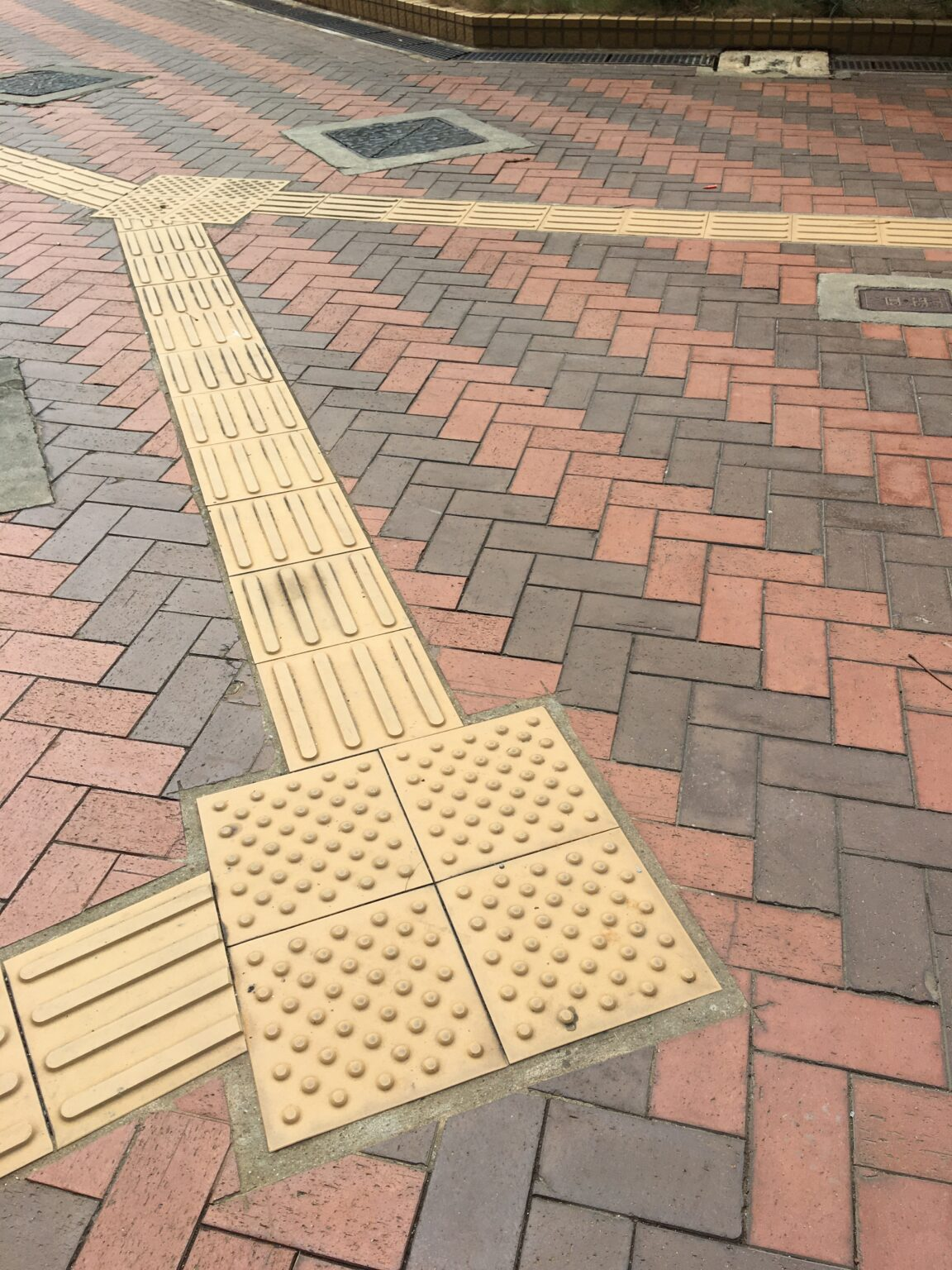
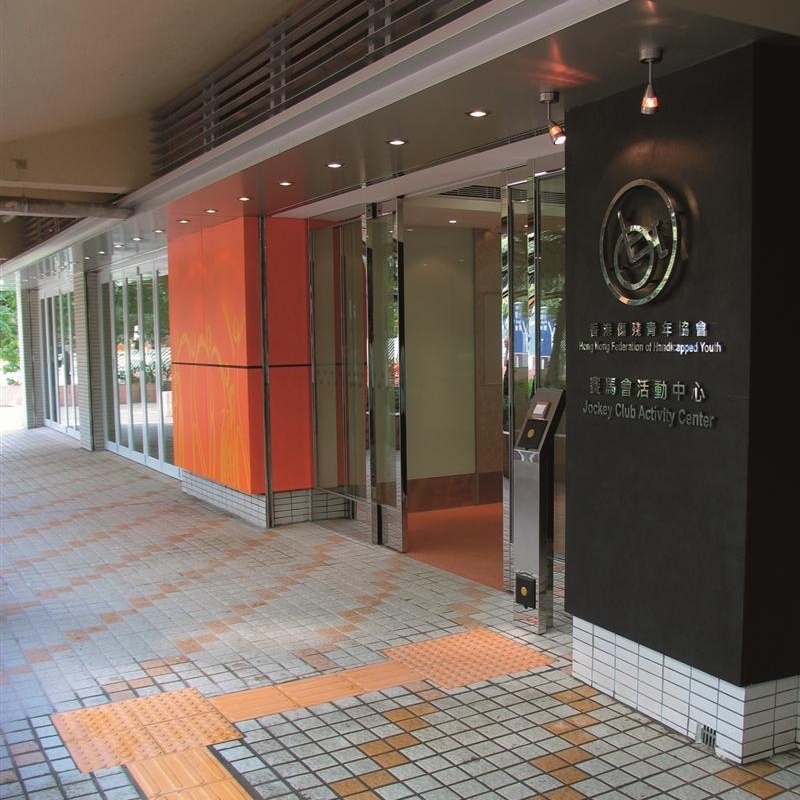
Tactile Guide Path

Helps visually impaired persons navigate safely.

    • Directional Tiles
  • Warning Tiles
  • Position Tiles

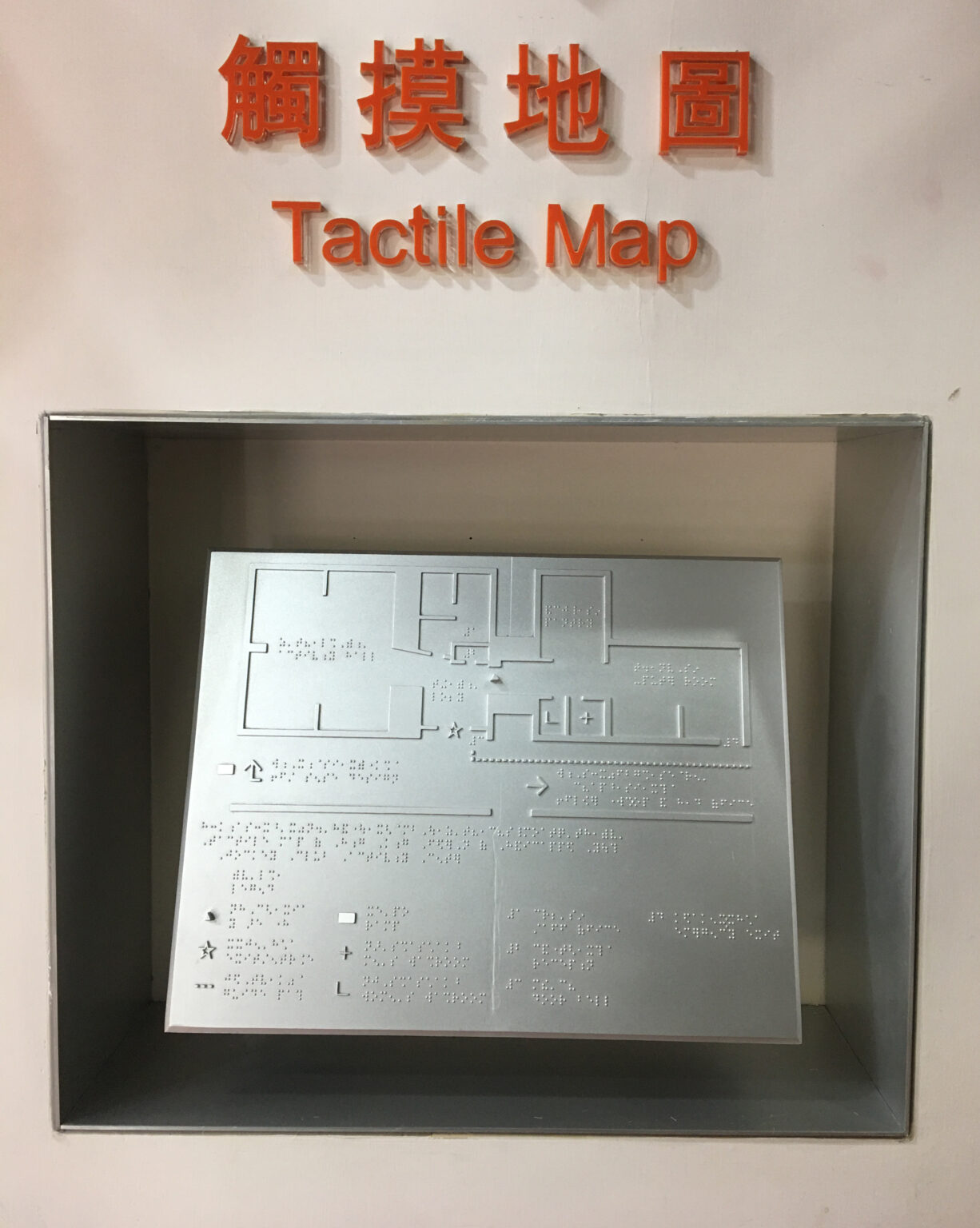
Tactile Map

Maps designed for visually impaired users through touch.

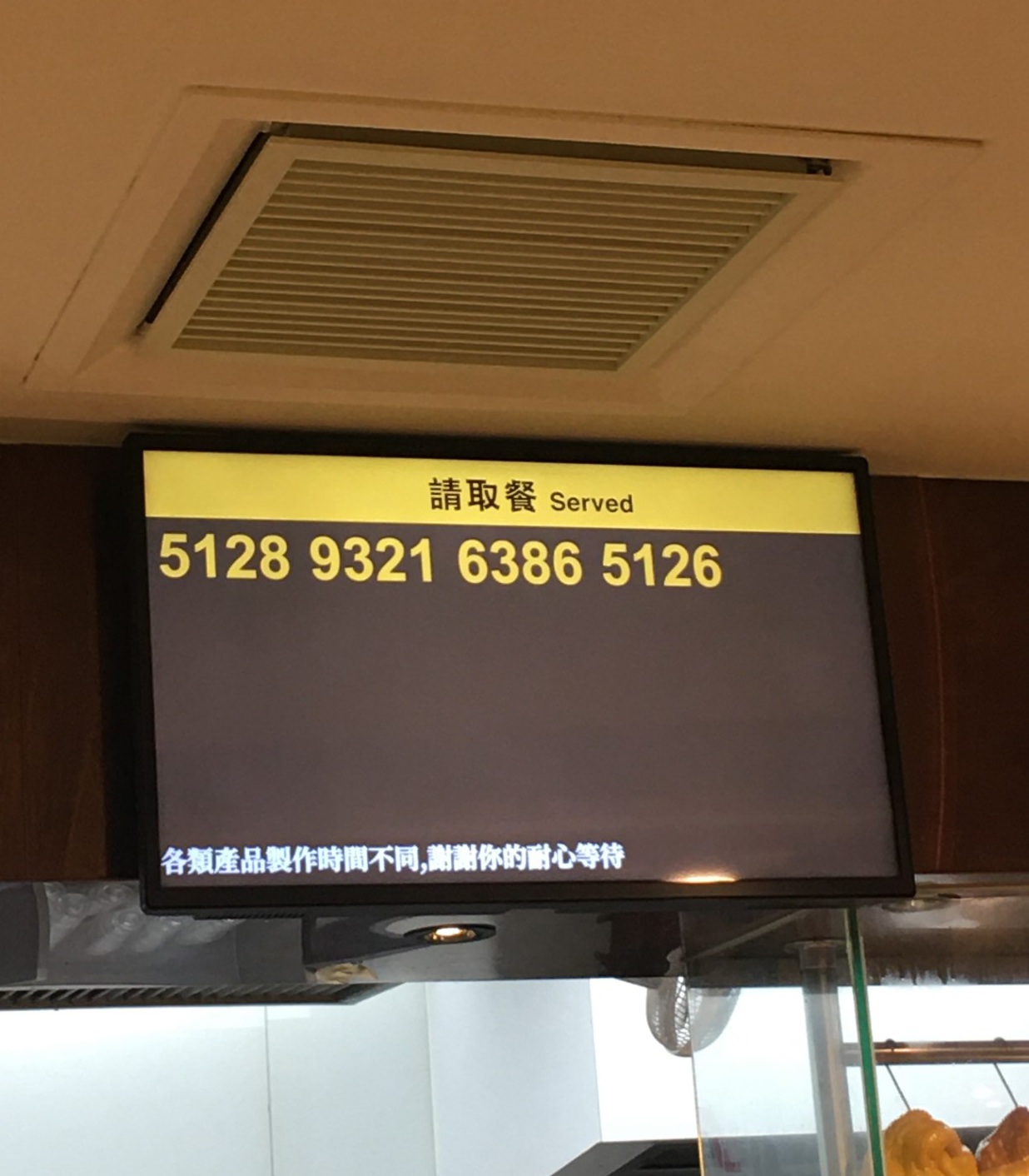
Illuminated Display Screen

Provides text information for visually impaired and hearing impaired persons.

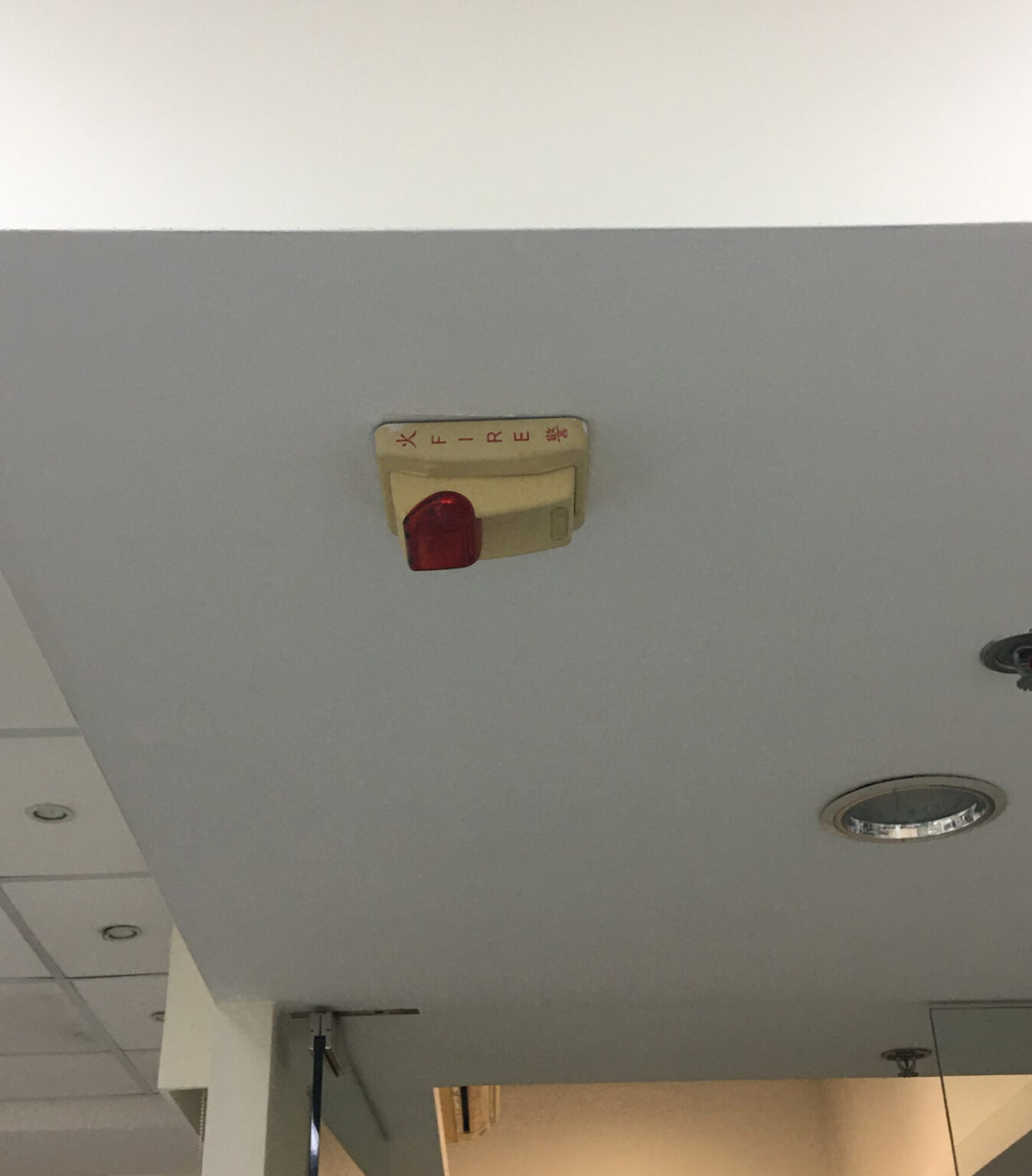
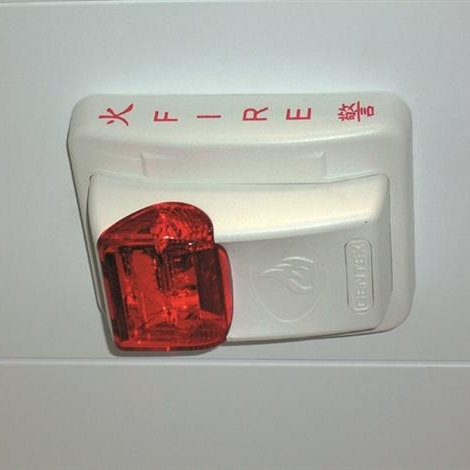
Visual Fire Alarm System

Uses flashing lights to notify hearing impaired persons during emergencies.

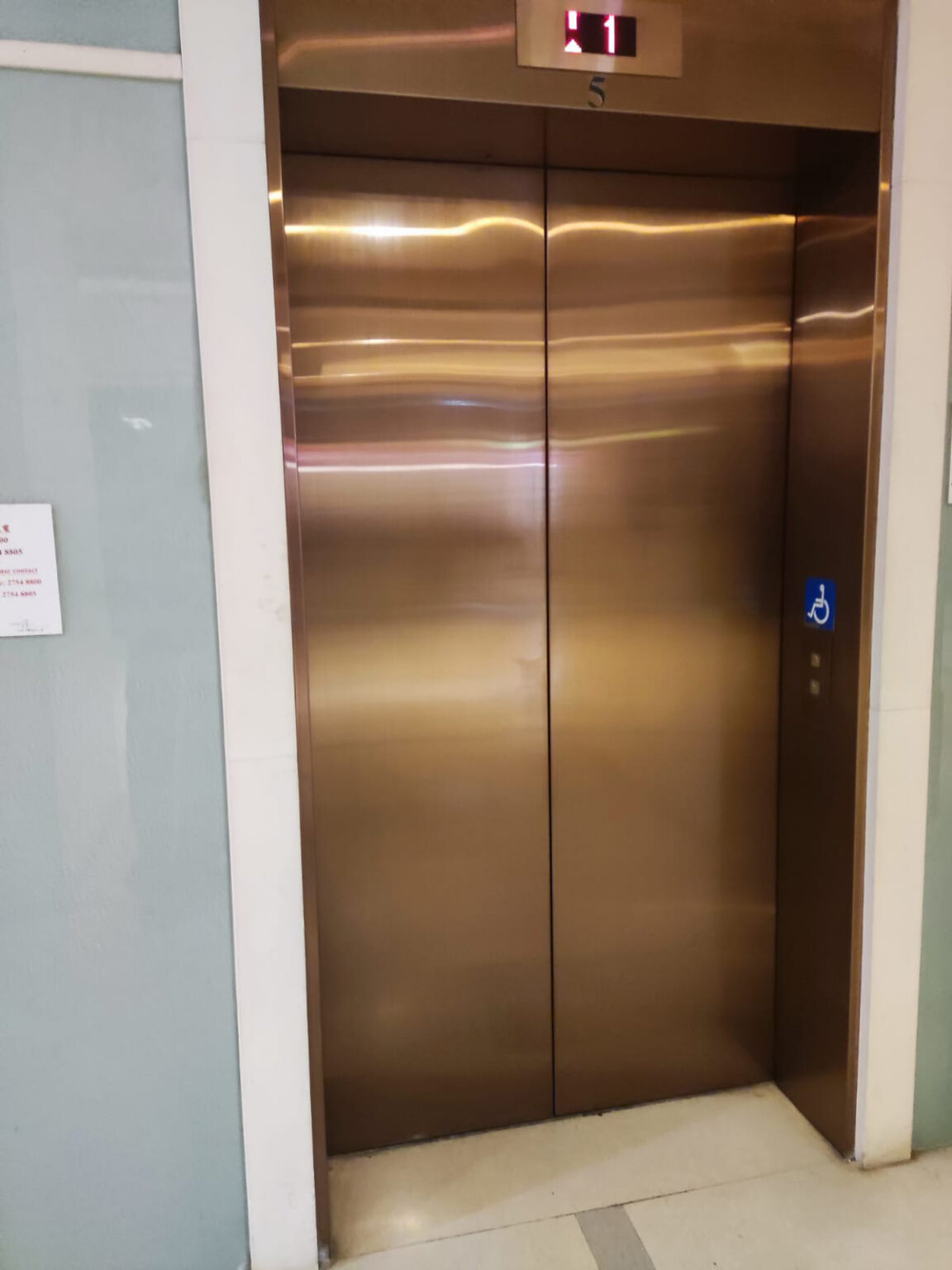
Lift / Elevator

Enables people to access different floors conveniently.

Videos

【Getting to Know Barrier-Free Communities】《Barrier-Free Inclusion Guide》 Video 04 ︳[Chinese Subtitles · Sign Language]

HK Monument – Lui Seng Chun: Wheelchair Vlog & Daily Life

無障礙交通

Accessible Transportation

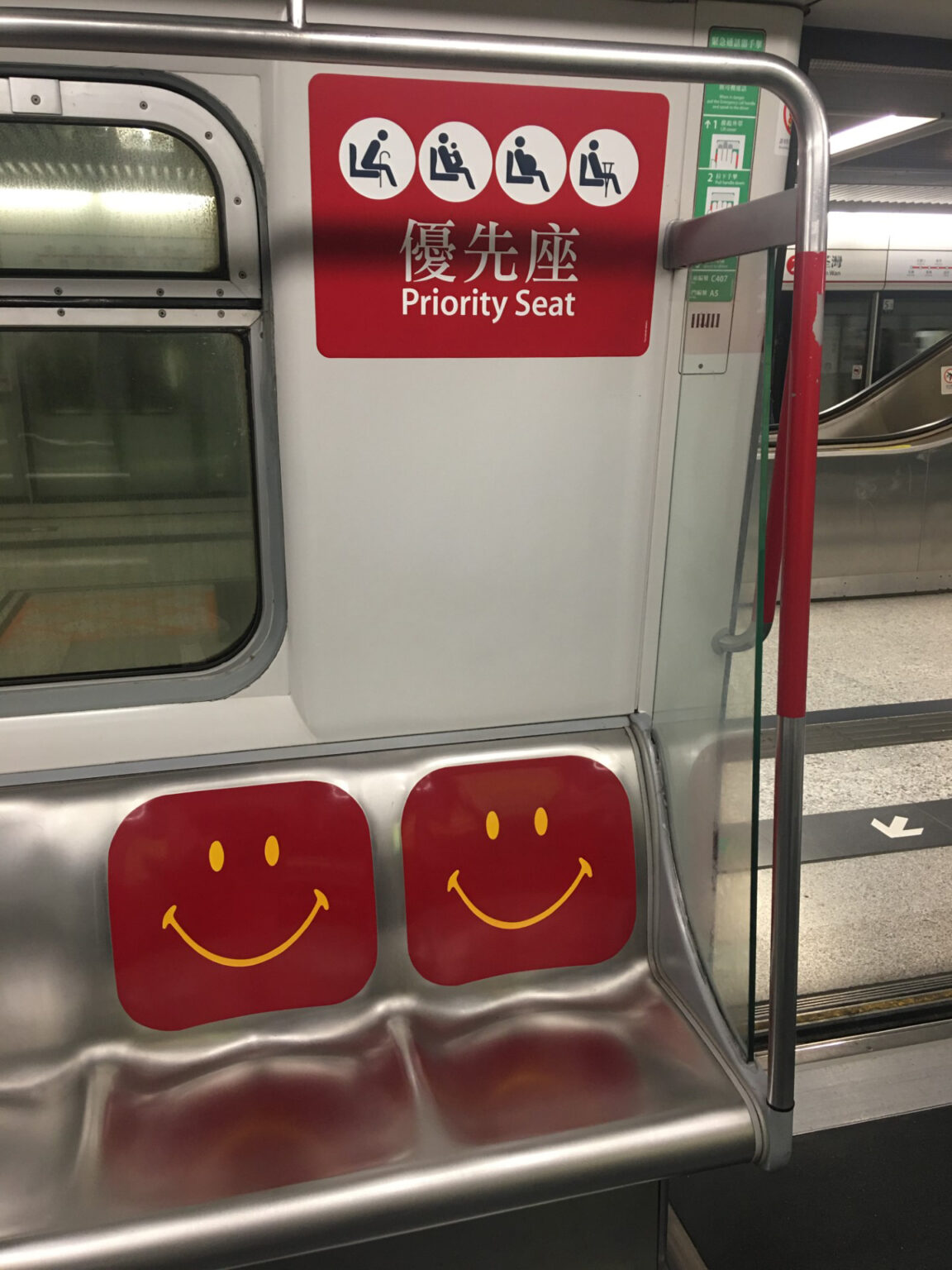
Priority Seats

Reserved seating for persons with disabilities and others in need.

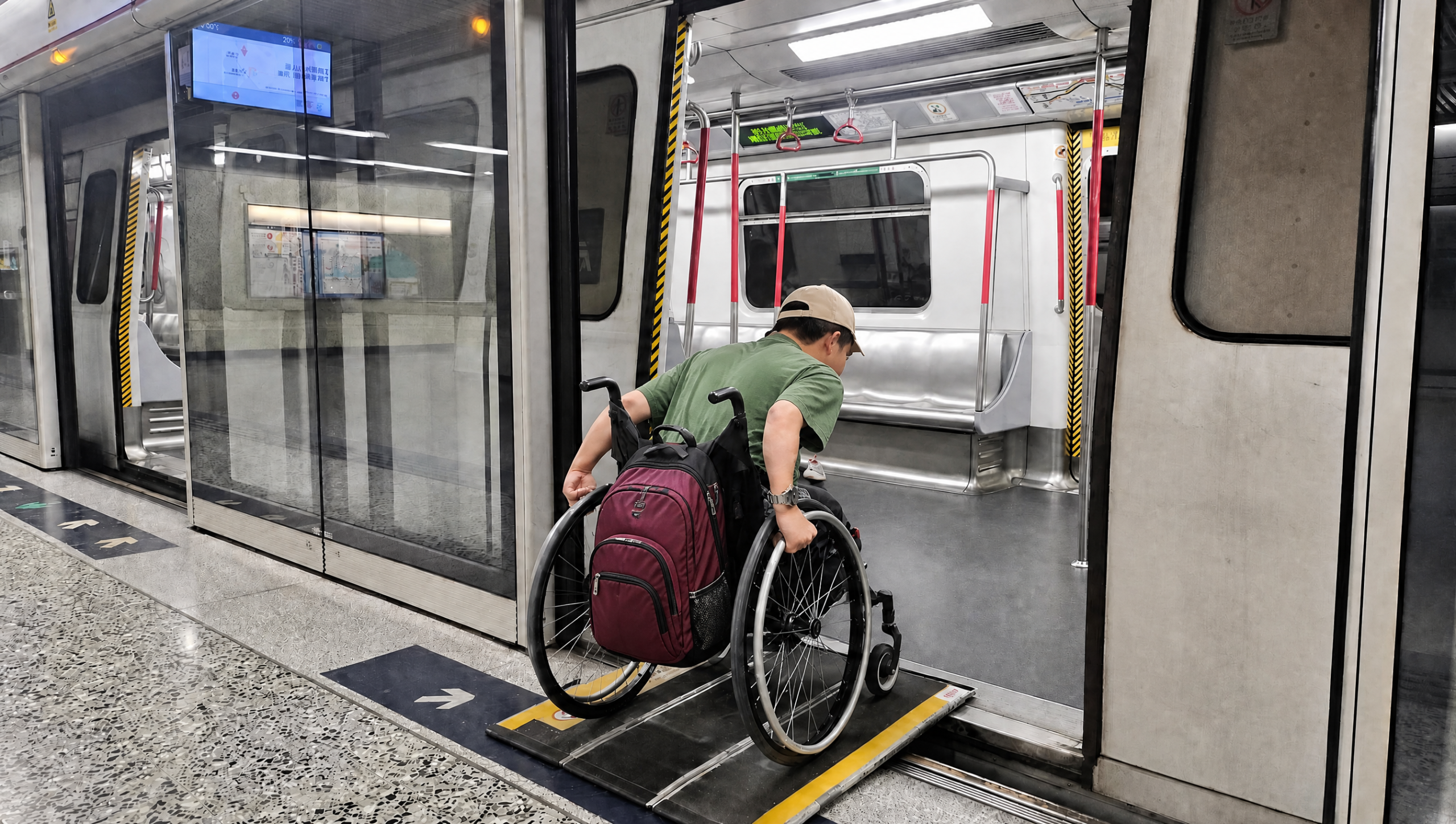
Portable Boarding Ramp

Helps wheelchair users cross the gap between train platforms and carriages.

Wheelchair Space

Designated parking space for wheelchairs on buses.

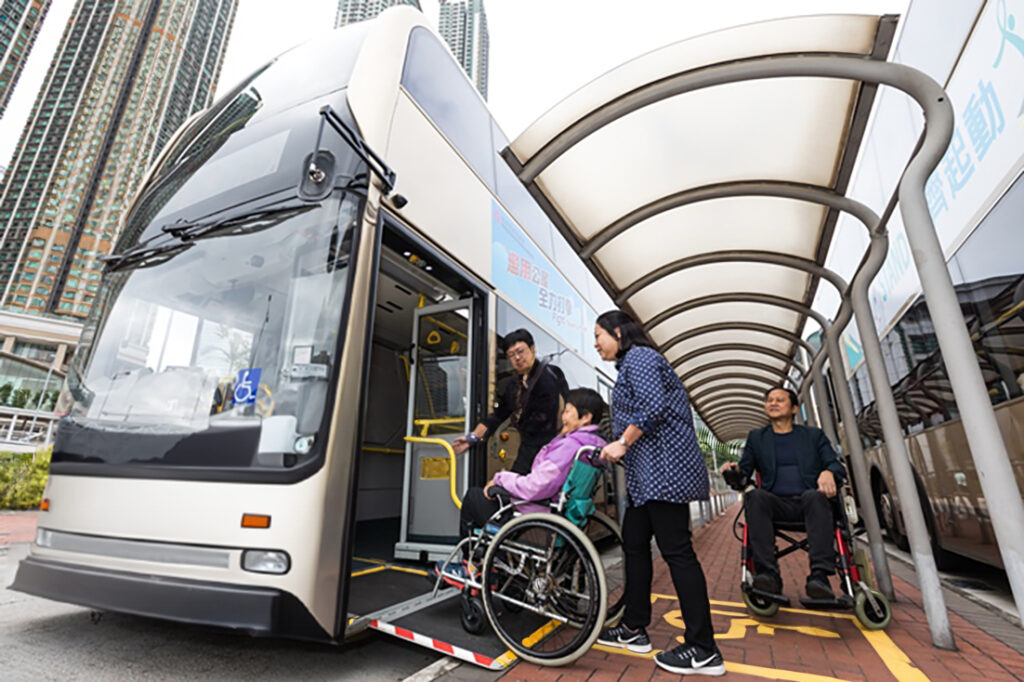
Low-floor Bus

Buses designed for easier boarding and alighting for wheelchair users.

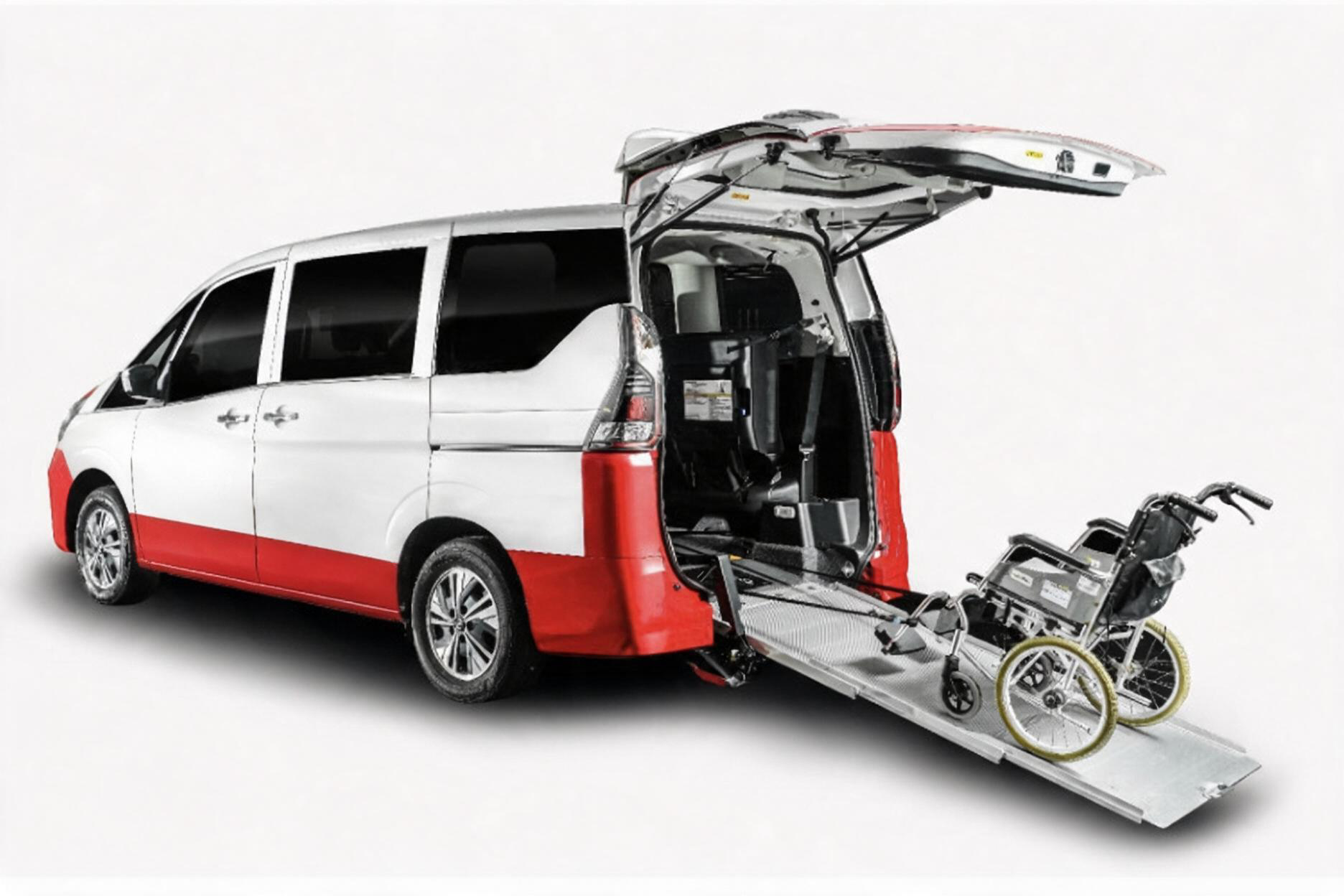
Accessible Taxi

Taxis designed to accommodate wheelchair users.

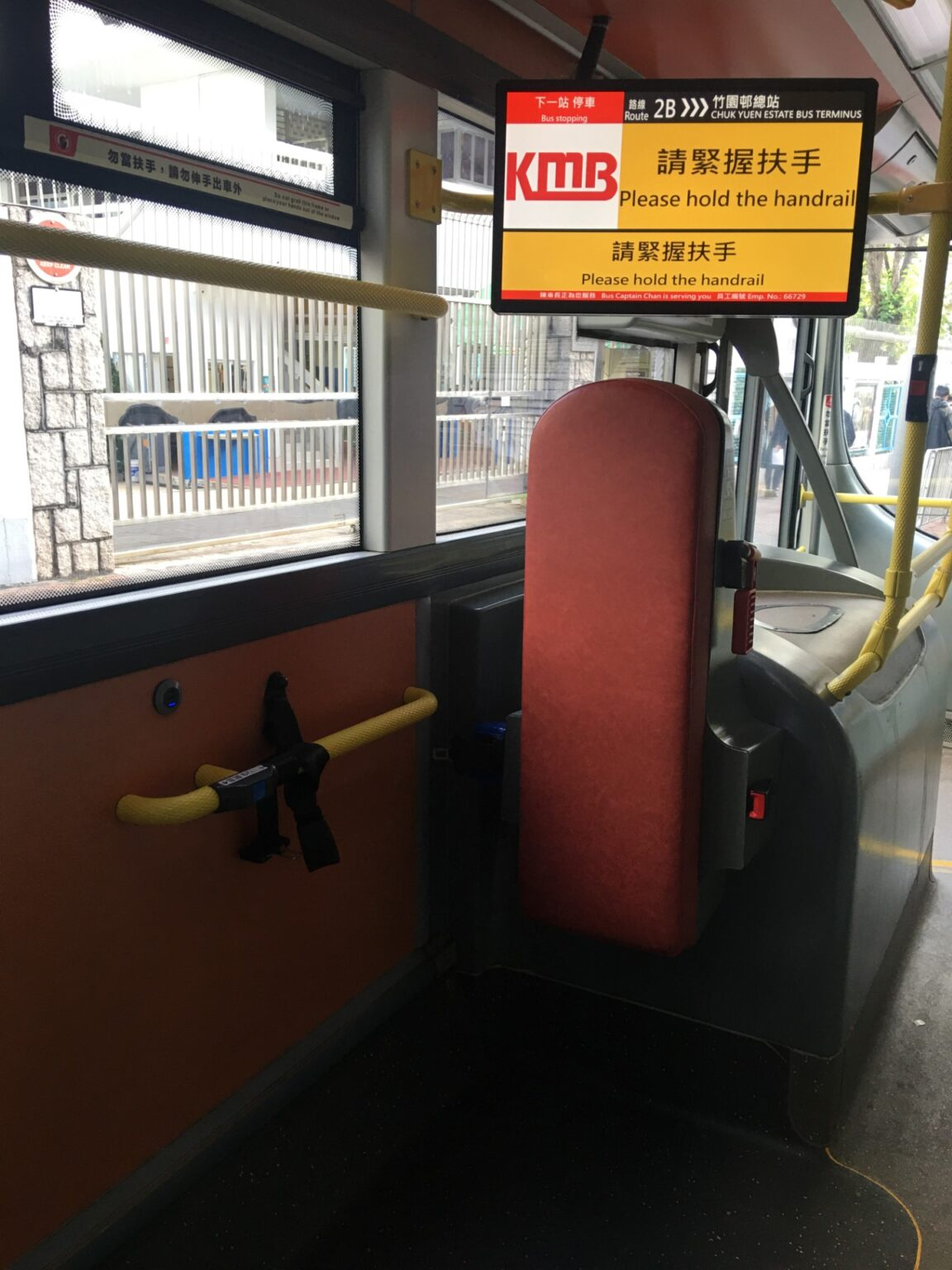
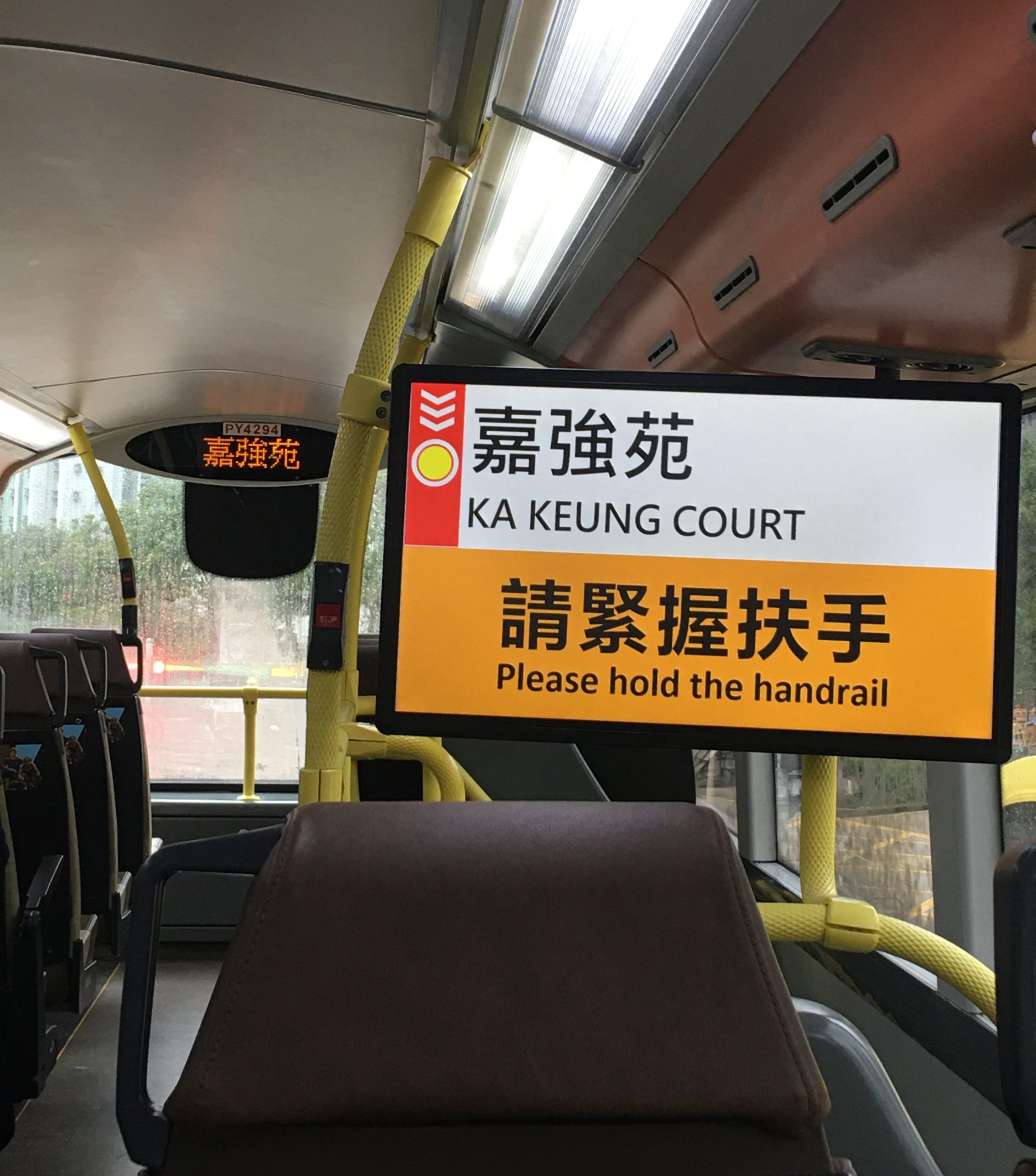
Stop Announcement System

Uses audio or visual displays to inform passengers of upcoming stops.

Videos

Blind Bus Fan: Identifying buses by sound! How to ride alone? Visuals in dreams?

無障礙資訊

Accessible Information

Braille

A tactile writing system used by visually impaired persons to read through touch.

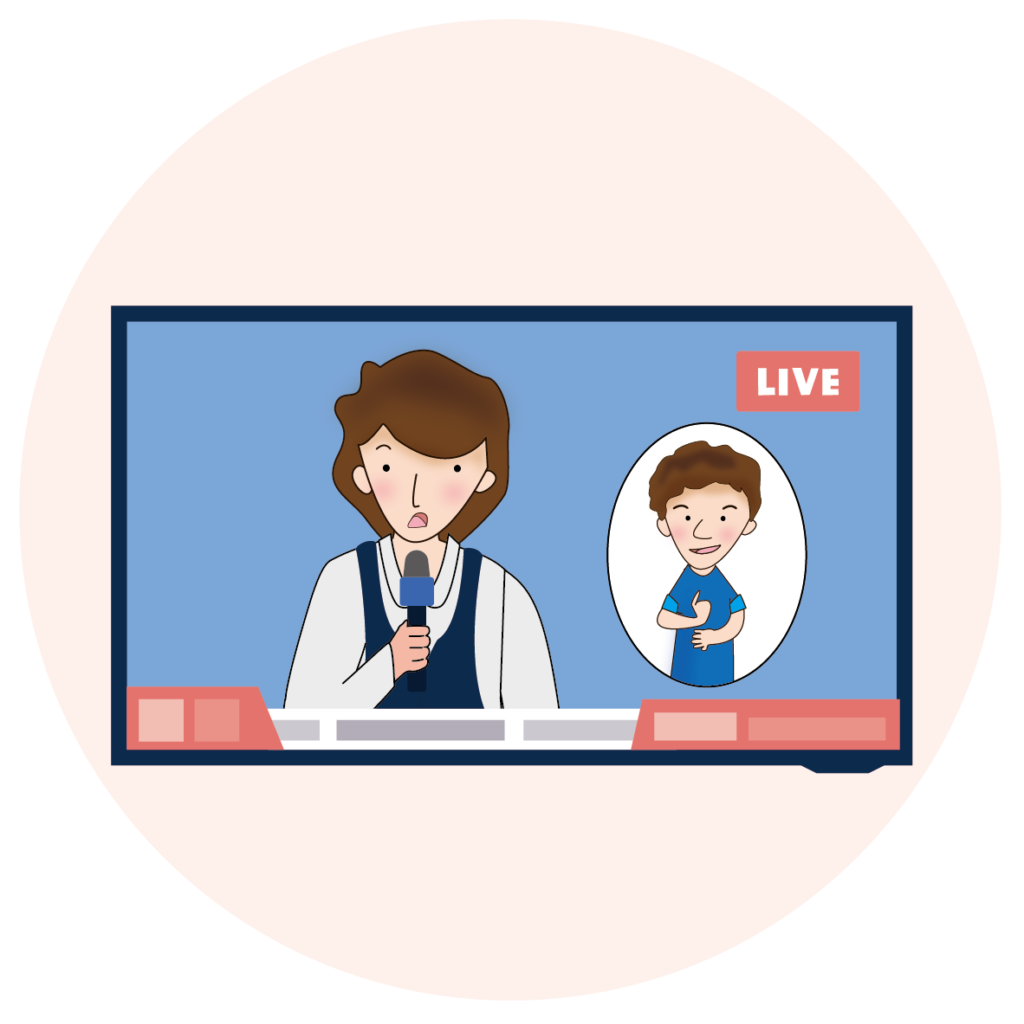
Sign Language Interpretation

Facilitates communication between hearing impaired and hearing persons.

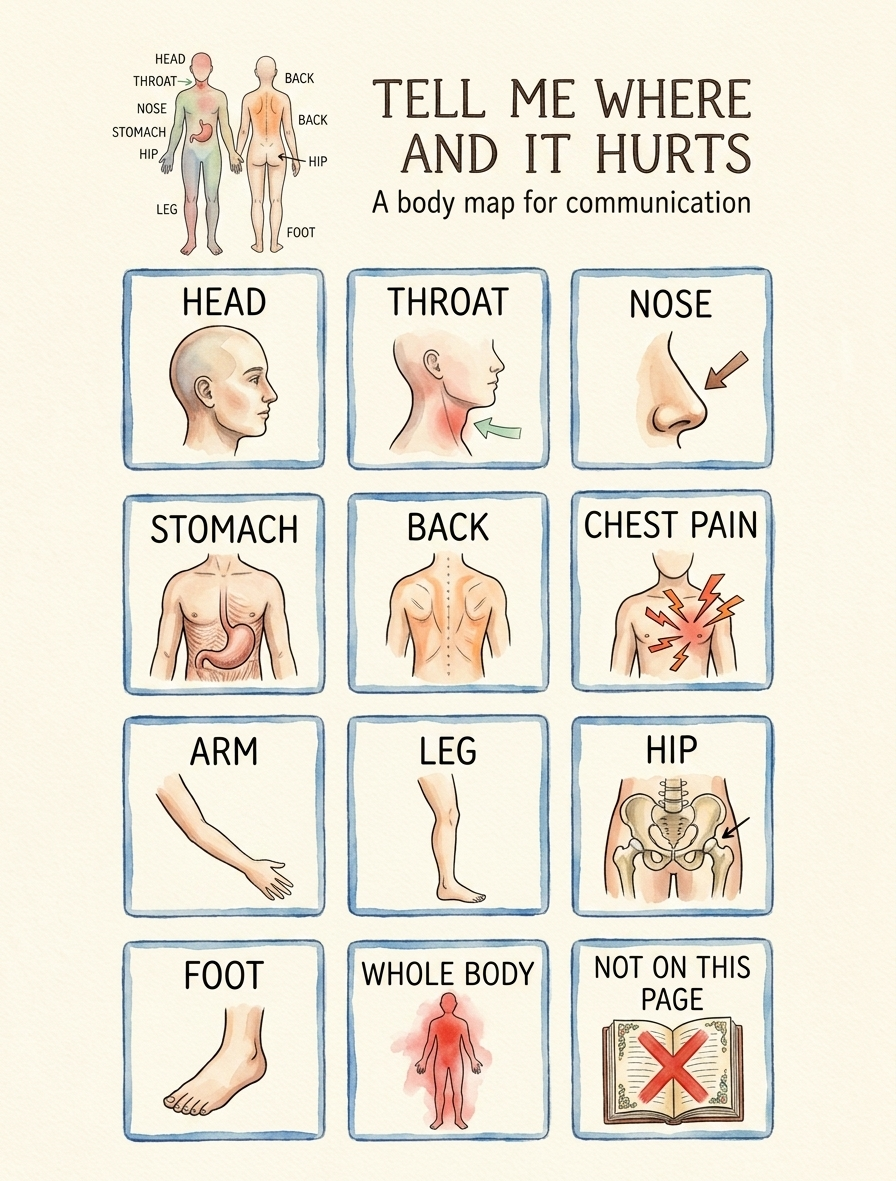
Communication Cards

Use pictures and simple words to support basic communication.
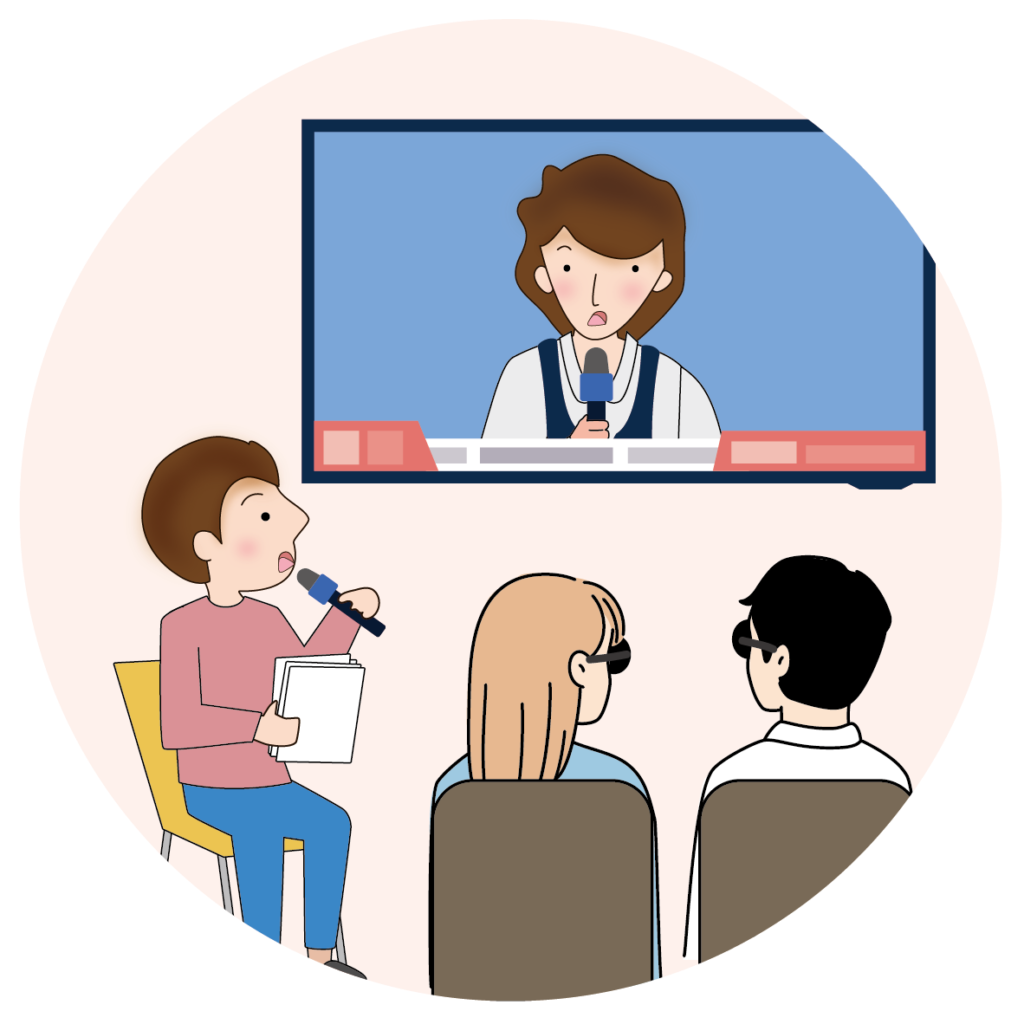
Audio Description

Narration describing visual elements in videos to assist visually impaired audiences.

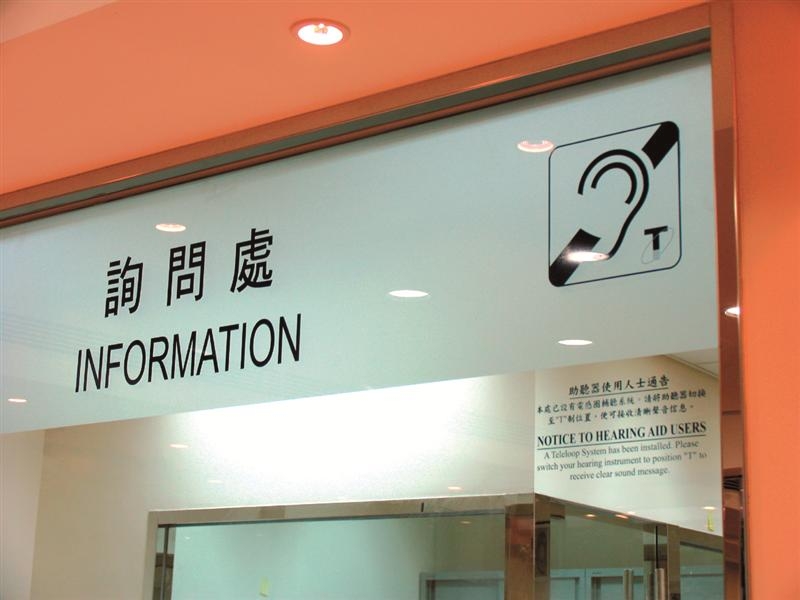
Hearing Loop System

Reduces background noise and provides clearer sound for hearing aid users.

Accessible Websites / Mobile Applications

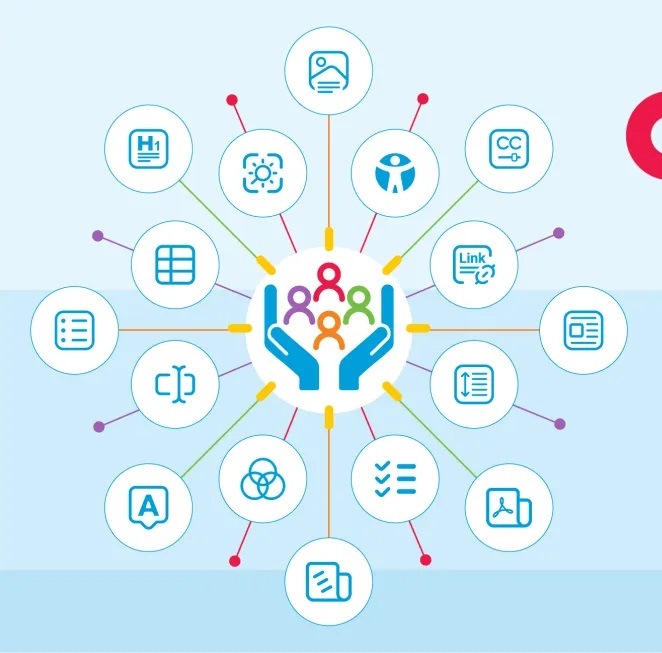
Designed according to accessibility standards, such as screen reader compatibility and voice navigation, ensuring equal access to digital information for all.

Digital Accessibility Campaign

“The Internet is a major channel for disseminating information and providing services to the public. If all content can reach the widest audience, including persons with disabilities, its usefulness will be greatly enhanced.

Digital accessibility ensures that digital content is accessible not only to persons with disabilities, but also to elderly people, persons with colour blindness, and people with cognitive or physical conditions such as dyslexia or epilepsy.

Accessible digital content not only broadens the reach of information but also improves overall usability for all users. It also helps build a caring and inclusive society.

Over the years, the Hong Kong Government has actively promoted accessible digital content to help persons with disabilities access online information and services, and to enhance their user experience.”

— Digital Policy Office, Digital Accessibility Campaign

通用設計

Universal Design

An accessible society does not only benefit persons with disabilities. Elderly people, pregnant women, parents with strollers, travellers carrying large luggage, workers using carts, and in fact everyone in society can benefit from accessibility.

Based on this concept, modern society further promotes the idea of “Universal Design.” Universal Design goes beyond traditional accessibility design focused mainly on persons with disabilities. Instead, it aims to meet the diverse needs of users of different ages, abilities, and life stages.

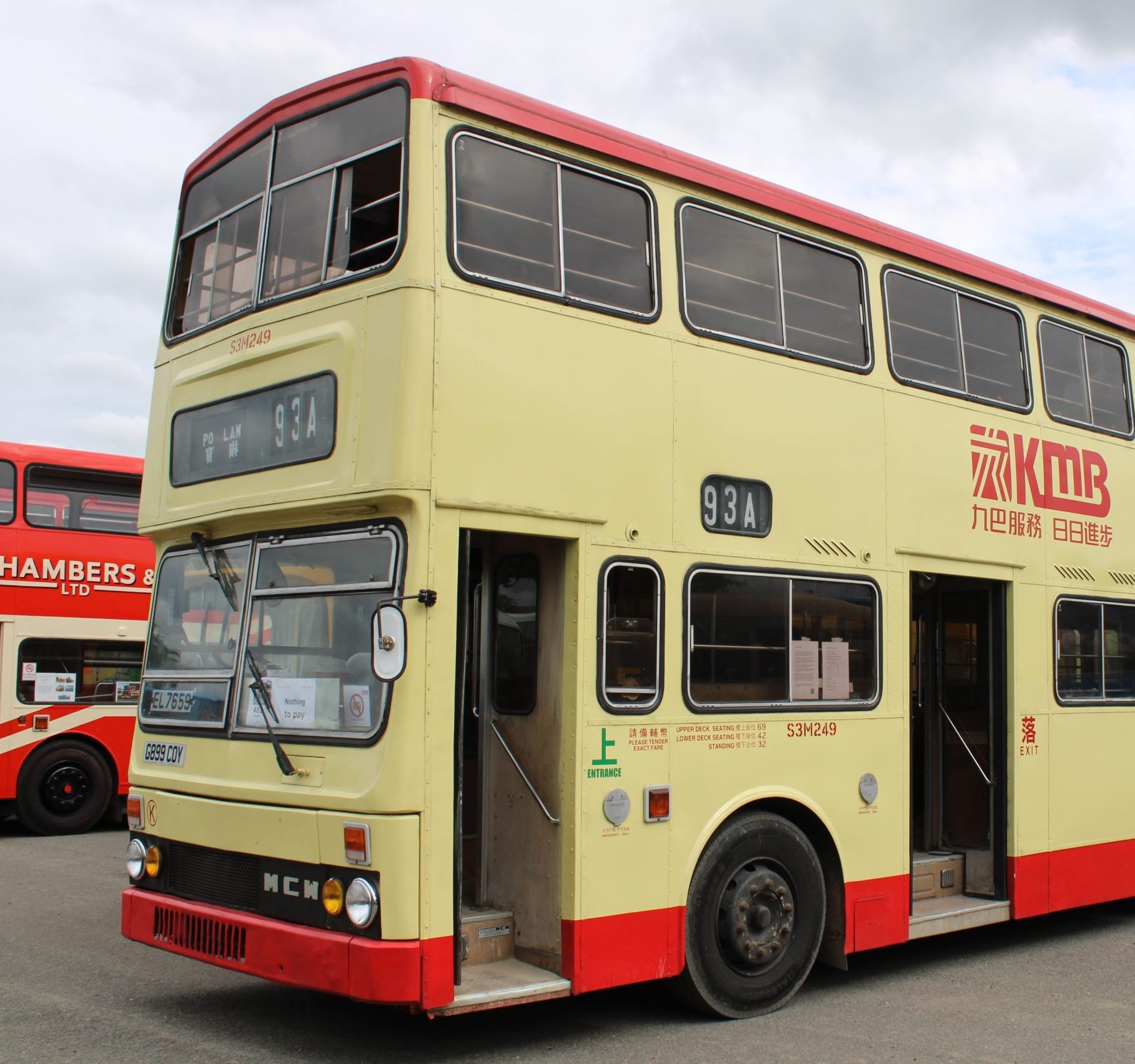
Traditional Bus

The entrance steps are relatively high, creating difficulties for passengers with mobility needs, while wheelchair users are unable to board at all.

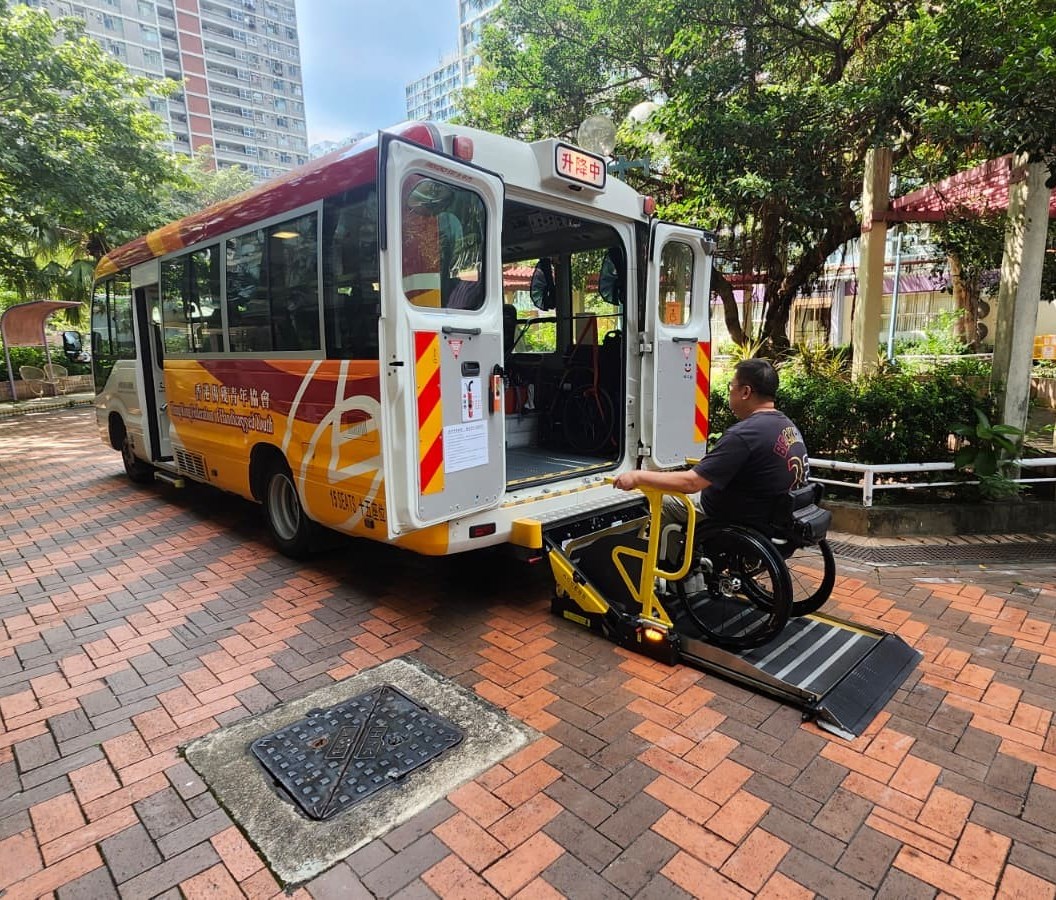
Rehab Bus

Specially designed for wheelchair users and persons with mobility difficulties, meeting basic transportation needs. However, advance booking is usually required, and it unintentionally separates passengers with special needs from the general public.

Low-floor Bus

An accessible society does not only benefit persons with disabilities. Elderly people, pregnant women, parents with strollers, travellers carrying large luggage, workers using carts, and in fact everyone in society can benefit from accessibility.

Based on this concept, modern society further promotes the idea of “Universal Design.” Universal Design goes beyond traditional accessibility design focused mainly on persons with disabilities. Instead, it aims to meet the diverse needs of users of different ages, abilities, and life stages.

The Seven Principles of Universal Design

Equitable Use

The design is useful and accessible to people with different abilities and provides the same user experience for all.

Flexibility in Use

The design accommodates a wide range of preferences and abilities.

Simple and Intuitive Use

The design is easy to understand regardless of users’ experience, knowledge, language skills, or concentration level.

Perceptible Information

The design communicates necessary information effectively to users with different sensory abilities in various environments.

Tolerance for Error

The design minimises hazards, accidents, and the negative consequences of unintended actions.

Low Physical Effort

The design can be used comfortably and efficiently with minimal fatigue.

Size and Space for Approach and Use

The design provides appropriate size and space for people of different body sizes, postures, or mobility abilities to approach, reach, and use.

Learn More

This site is registered on wpml.org as a development site. Switch to a production site key to remove this banner.